
Dubai’s luxury hotels, restaurants, and major events regularly attract international celebrities, making unexpected sightings part of the city’s appeal. We can explore where public appearances occur and how social media posts shape these stories.
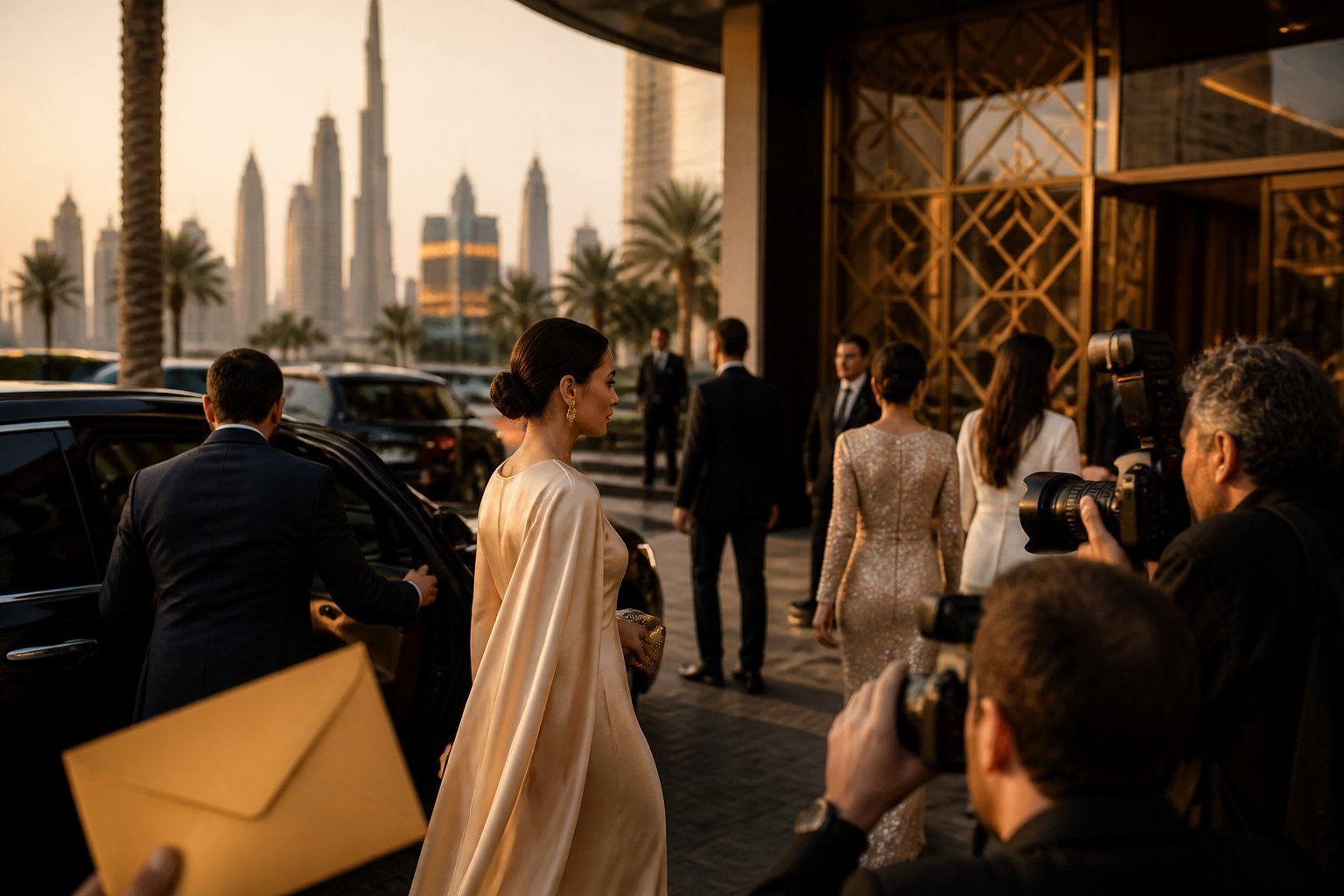
Celebrity sightings alone do not prove that a public figure belongs to a Masonic organization. We should treat claims about Masonic associations carefully, distinguish verified evidence from speculation, and avoid presenting unconfirmed lists or symbols as proof.
This article examines Dubai’s popular celebrity hotspots and applies the same careful standard to claims about Freemasonry, including what reliable sources can—and cannot—establish.
Dubai’s Celebrity Hotspots
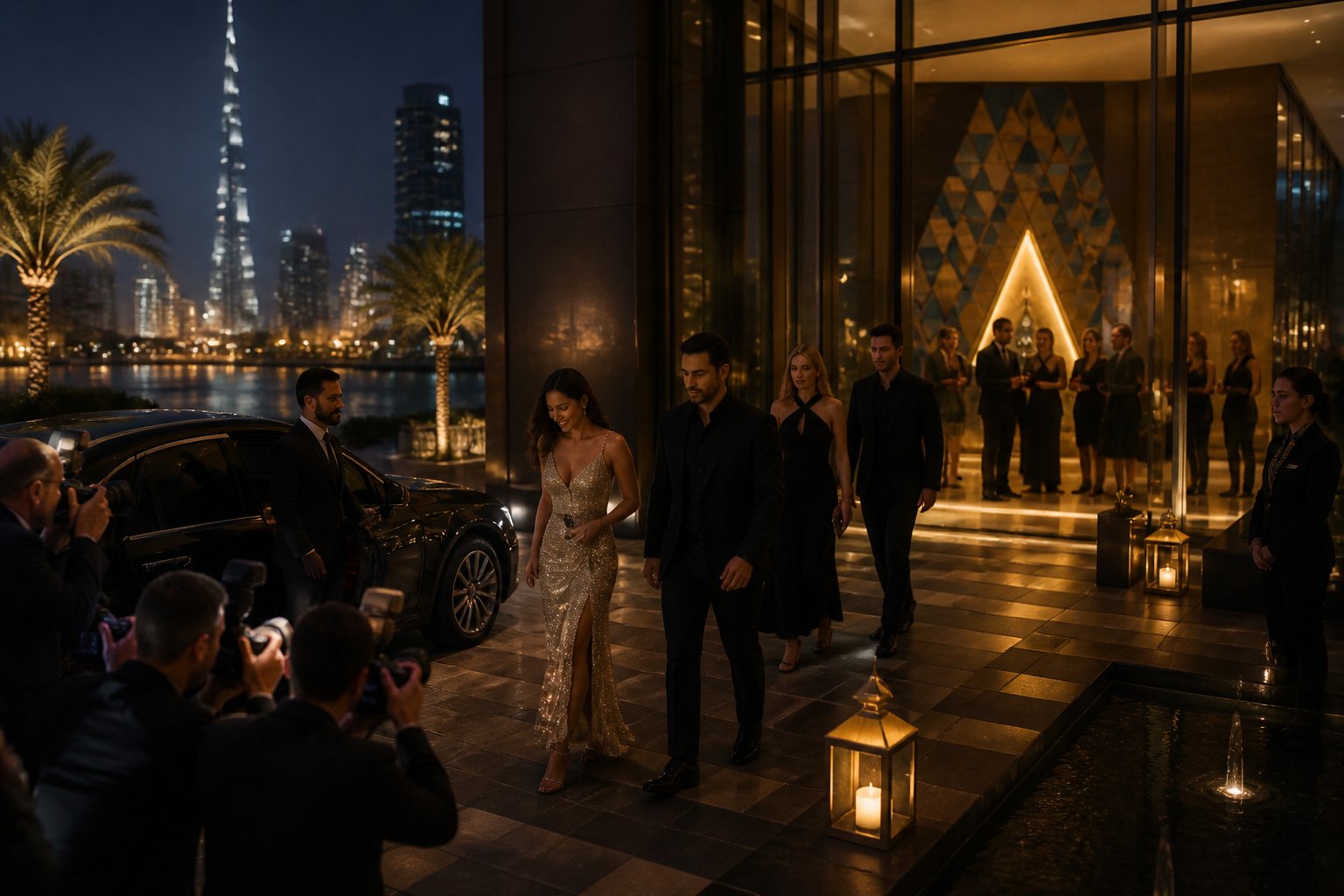
We can most reliably spot public figures at high-end hotels, destination restaurants, shopping districts, and scheduled events. Reported appearances show where celebrities may visit, but they do not confirm private routines, personal affiliations, or claims about organizations such as Freemasonry.
Luxury Hotels And Resorts
Dubai’s luxury hotels attract actors, musicians, athletes, and public figures because they combine accommodation, restaurants, beaches, spas, and private event spaces. Palazzo Versace Dubai has appeared in reports about celebrity visits, including a reported appearance by Salman Khan. Other frequently mentioned properties include Atlantis The Palm, Burj Al Arab, One&Only Royal Mirage, Bulgari Resort Dubai, and Armani Hotel Dubai.
We should treat these locations as public hospitality venues rather than guaranteed celebrity destinations. Sightings may occur in hotel restaurants, lobbies, beach clubs, or during product launches, but many guests use private entrances and restricted areas. A reported stay or appearance provides no reliable evidence about a celebrity’s beliefs, associations, or involvement in secret societies.
Major Events And Nightlife Venues
Scheduled events create the clearest opportunities for legitimate celebrity sightings. Dubai Mall regularly hosts fashion, jewelry, beauty, and entertainment appearances; reports have included Bella Hadid attending a Chopard event there. Concerts, film promotions, sports fixtures, and major trade exhibitions also bring internationally known guests to the city.
Nightlife venues in Dubai Marina, Downtown Dubai, Palm Jumeirah, and Business Bay may host celebrity performances or appearances. We should check the venue’s official channels and established news outlets for dates, access rules, and verified attendance. Social-media posts that claim to reveal private movements, “secret” entrances, or exclusive associations often lack supporting evidence and should not be treated as factual.
Evaluating Masonic Association Claims
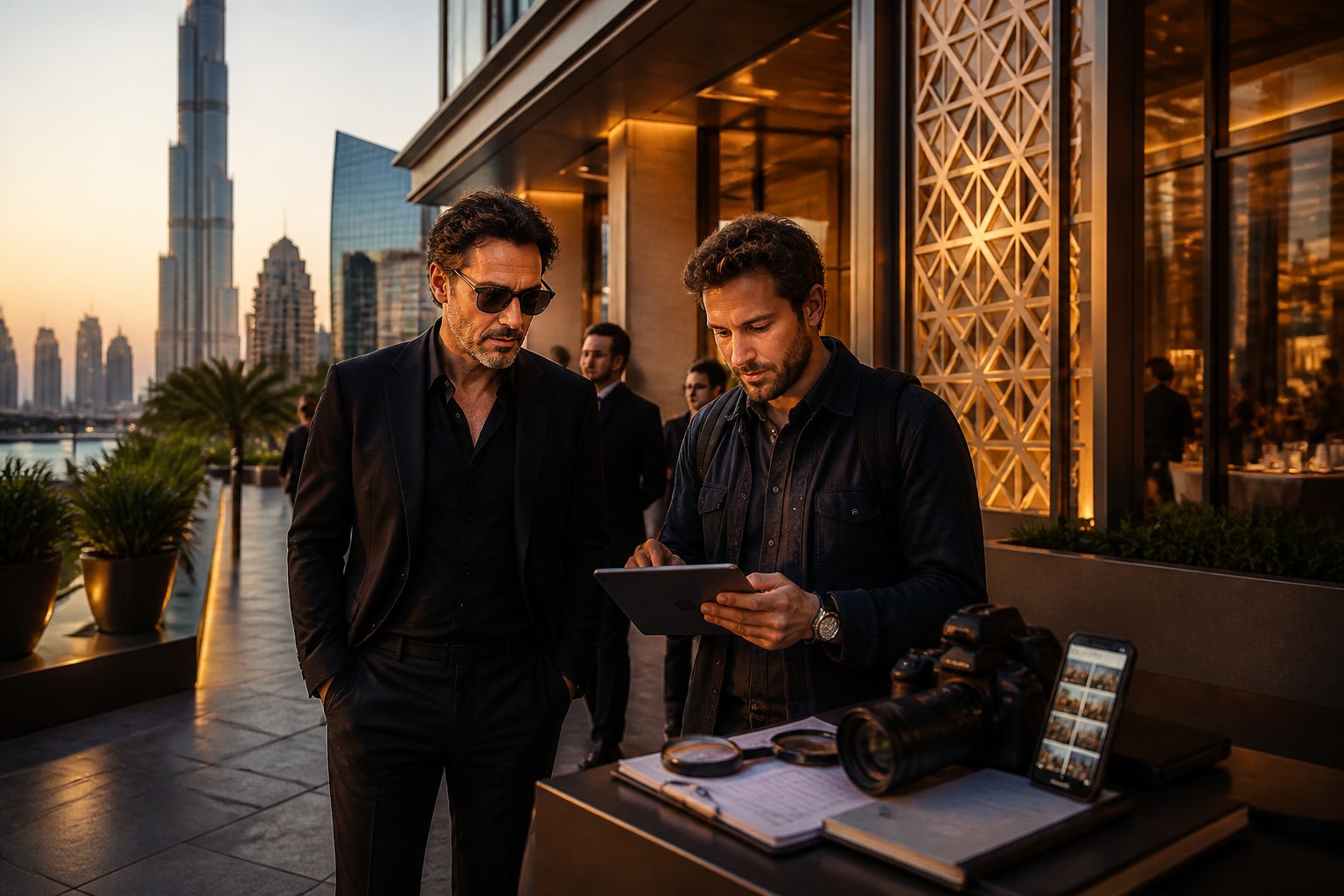
Public appearances in Dubai can generate speculation, but gestures, clothing, or photographs rarely establish organizational membership. We should distinguish documented affiliation from interpretation and report uncertainty clearly.
Origins Of Online Speculation
Online claims often begin with photographs of celebrities making gestures that viewers interpret as Masonic signs. Similar speculation can arise from rings, walking canes, geometric designs, or appearances at venues associated—accurately or not—with Freemasonry. A single image cannot show whether a gesture was deliberate, symbolic, or simply part of an ordinary pose.
Social media also merges unrelated ideas. Freemasonry, the Illuminati, and claims about political or commercial networks are distinct subjects, yet posts may present them as one theory. Repeated captions can make an unsupported claim appear established, even when each post traces back to the same photograph or unnamed source.
We should treat videos, anonymous posts, and celebrity “lists” as leads rather than evidence. Reliable reporting requires independent confirmation and attention to the date, location, original image, and source’s qualifications.
Evidence Standards And Responsible Reporting
A credible claim should rely on verifiable records, such as a public statement by the individual, an official lodge announcement, a documented membership register, or reputable archival research. For historical figures, Grand Lodge records, digitized registers, libraries, and local historical societies may provide useful evidence. Researchers should confirm that records refer to the same person.
We should identify the difference between confirmed, reported but unverified, and unsupported. A photograph at a Dubai event may confirm attendance, but it does not confirm lodge membership. Likewise, a symbol’s presence may support several interpretations and should not be presented as proof.
Responsible coverage avoids naming living people as Freemasons without strong documentation. It also separates confirmed facts from commentary, links claims to their original sources, and explains when records are unavailable rather than filling gaps with speculation.