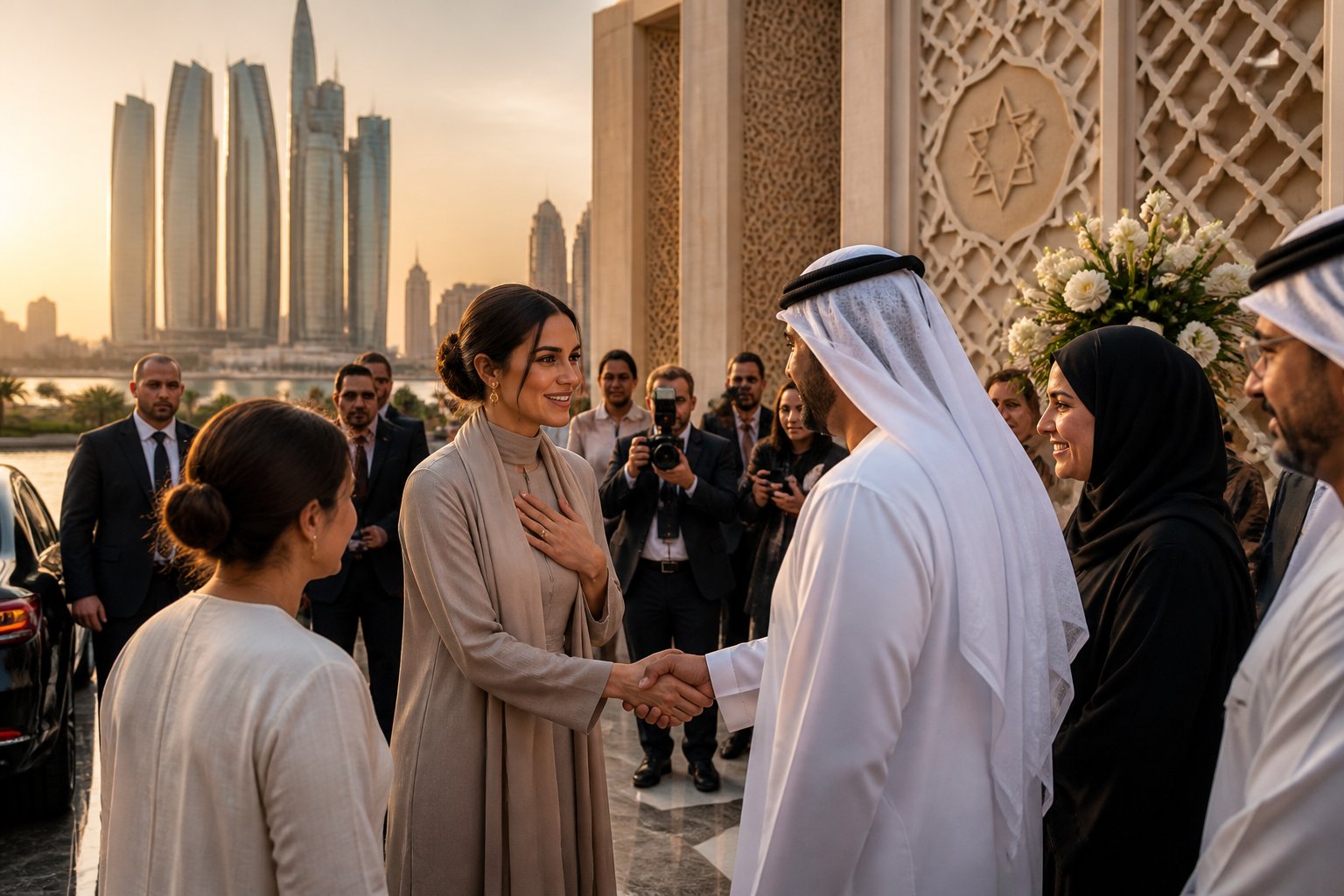
Abu Dhabi attracts global celebrities through cultural landmarks, major sporting events, and carefully planned public appearances. Visits by figures such as Chris Hemsworth, Elsa Pataky, Deepika Padukone, and Ranveer Singh show how the emirate connects entertainment with tourism and cultural promotion.
Public celebrity visits can be verified through official campaigns, event coverage, and documented appearances, while claims linking them to Freemasonry require separate, credible evidence. We will examine Abu Dhabi’s cultural setting, the public role celebrities play, and how to assess speculation without treating rumors as facts.
We will also consider why locations such as Sheikh Zayed Grand Mosque, Zayed National Museum, Yas Island, and major sporting venues feature prominently in public itineraries. This approach helps us distinguish documented activity from unsupported interpretation.
Abu Dhabi’s Cultural and Public-Appearance Landscape
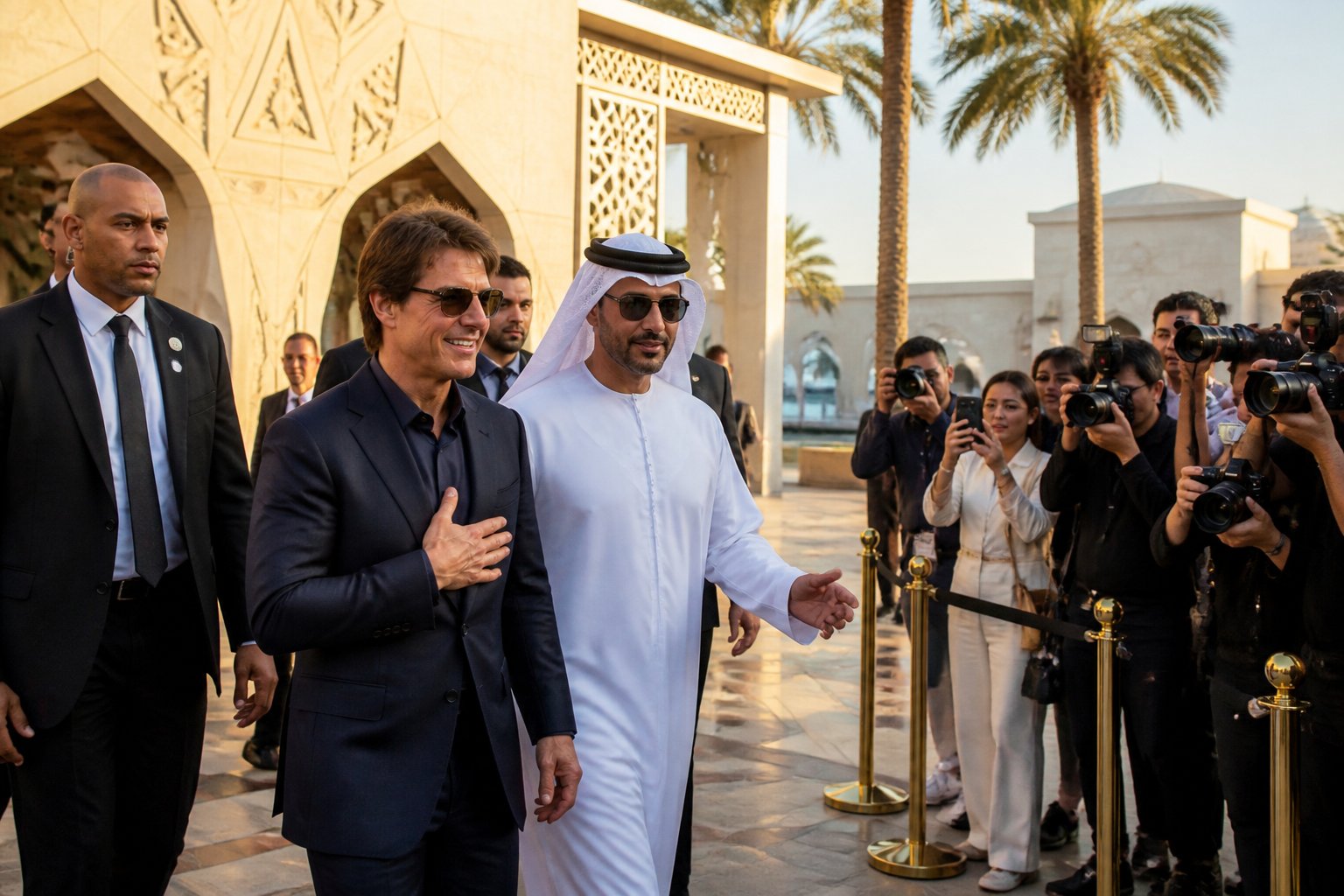
Abu Dhabi combines major cultural institutions, heritage sites, sports venues, and invitation-based public events. We should assess celebrity appearances through the setting, event purpose, access rules, and official affiliations rather than treating attendance as evidence of any private association.
Major Venues and Signature Events
We find Abu Dhabi’s most visible appearances at venues such as Louvre Abu Dhabi, Qasr Al Hosn, the Sheikh Zayed Grand Mosque, and institutions in the Saadiyat Cultural District. These locations host exhibitions, cultural programs, diplomatic visits, and carefully managed photography opportunities. Heritage sites often emphasize Emirati history, while newer institutions present the emirate as an international center for art and cultural exchange.
Sports events also attract global attention. The NBA Abu Dhabi Games, held at Etihad Arena on Yas Island, have drawn entertainment figures and athletes, including international celebrities reported in connection with the October 2025 games. Other high-profile appearances may occur during film, music, fashion, business, and national celebrations, with visibility shaped by the host organization and its communications strategy.
Protocol, Security, and Media Access
We should expect public appearances to follow formal protocols. Hosts, government entities, venues, and event organizers typically control invitations, accreditation, photography areas, arrival routes, and interview access. Security planning can restrict movement around dignitaries and may separate official media from general attendees.
Publicity also operates through coordinated channels. Abu Dhabi’s tourism authorities have pursued international celebrity partnerships to increase destination exposure, while official releases commonly identify the event, venue, date, and participating figures. A photograph or attendance report confirms presence at a public occasion, but it does not establish a person’s beliefs, organizational membership, or private relationships. Claims involving Freemasonry therefore require separate, reliable evidence rather than inference from a visit or public appearance.
Freemasonry Claims, Evidence, and Responsible Context
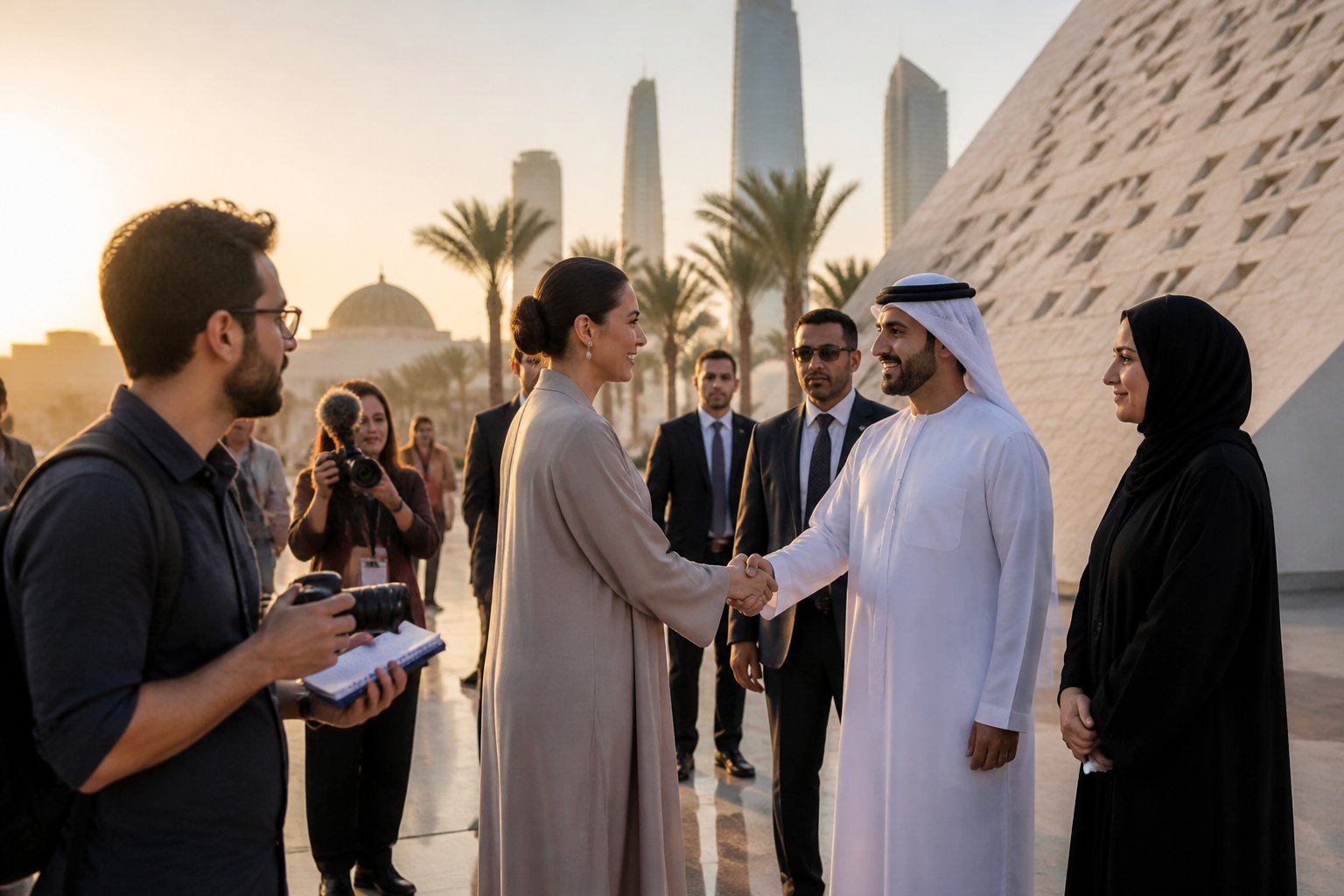
We should separate verified records from rumors when discussing public figures and possible Masonic connections in Abu Dhabi. Reliable reporting depends on documented affiliations, appropriate privacy safeguards, and careful treatment of local cultural and legal context.
Distinguishing Documented Affiliations From Speculation
We can treat a celebrity’s Masonic membership as documented only when credible evidence supports it. Useful sources include an official lodge or Grand Lodge record, a published biography that cites primary documentation, archival membership registers, or the person’s own public statement. A photograph at a cultural event, a symbolic gesture, or an online claim does not establish membership.
The UAE search results provide no verified evidence identifying a particular celebrity as a Freemason in Abu Dhabi. Claims about lodges in the UAE also require careful verification because online descriptions may be incomplete, outdated, or unsupported by official records. We should identify the source, date, jurisdiction, and precise claim before presenting it as fact.
Evidence hierarchy:
- Official organizational or archival records
- Direct, attributable statements
- Reputable biographies and contemporaneous reporting
- Anonymous posts, videos, and unsourced lists, which do not confirm affiliation
Privacy, Reputation, and Ethical Reporting
We should not infer Freemasonry membership from a celebrity’s visit to Abu Dhabi, attendance at a private gathering, clothing, jewelry, or contact with people associated with a lodge. Membership can involve personal beliefs and private associations, so publishing an unsupported allegation may damage a person’s reputation.
Responsible coverage should use precise language, such as “no reliable public evidence confirms the claim,” rather than repeating speculation as fact. We should also distinguish Freemasonry from conspiracy theories that portray it as controlling governments, entertainment, or business; the search results provide no concrete evidence for those broad claims.
When a public figure has openly confirmed membership, we can report the affiliation and its documented context without suggesting that it explains a visit, business relationship, or cultural appearance. Local sensitivities and applicable UAE rules also make restraint, attribution, and verification especially important.