
Celebrity visits to Abu Dhabi often combine tourism, cultural diplomacy, and carefully managed public appearances. We can see this through campaigns featuring figures such as Chris Hemsworth and Elsa Pataky, as well as events involving international athletes, actors, and musicians.
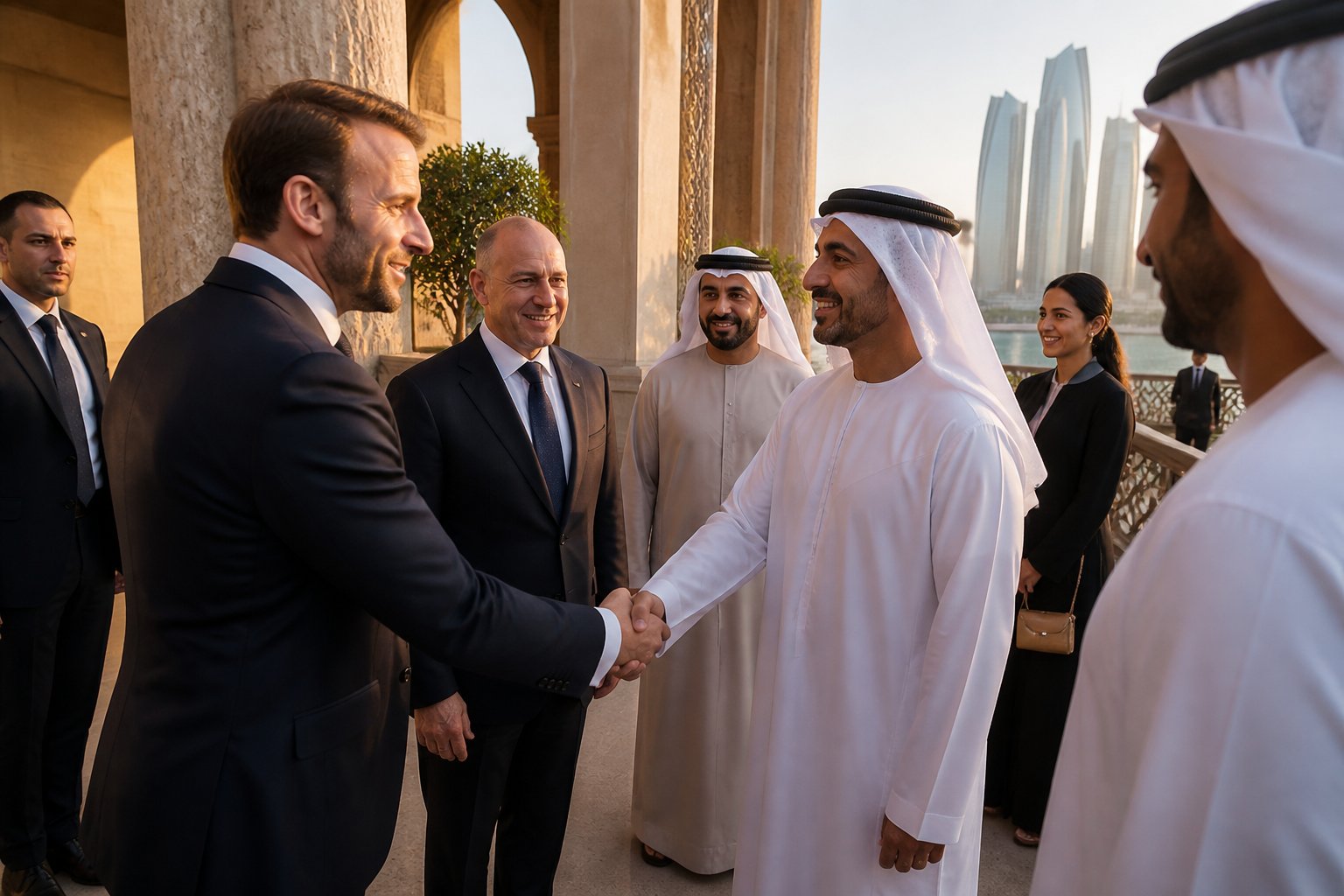
We should treat celebrity appearances as public-facing partnerships, not evidence of private affiliations such as Freemasonry. Abu Dhabi’s museums, mosques, sporting venues, and cultural events provide visible settings for engagement, while personal beliefs and private associations remain matters that require reliable evidence.
This article examines how Abu Dhabi builds its celebrity engagement landscape and why privacy shapes public perception. We will also separate documented appearances from speculation, giving you a clearer view of culture, promotion, and public interest.
Abu Dhabi’s Celebrity Engagement Landscape
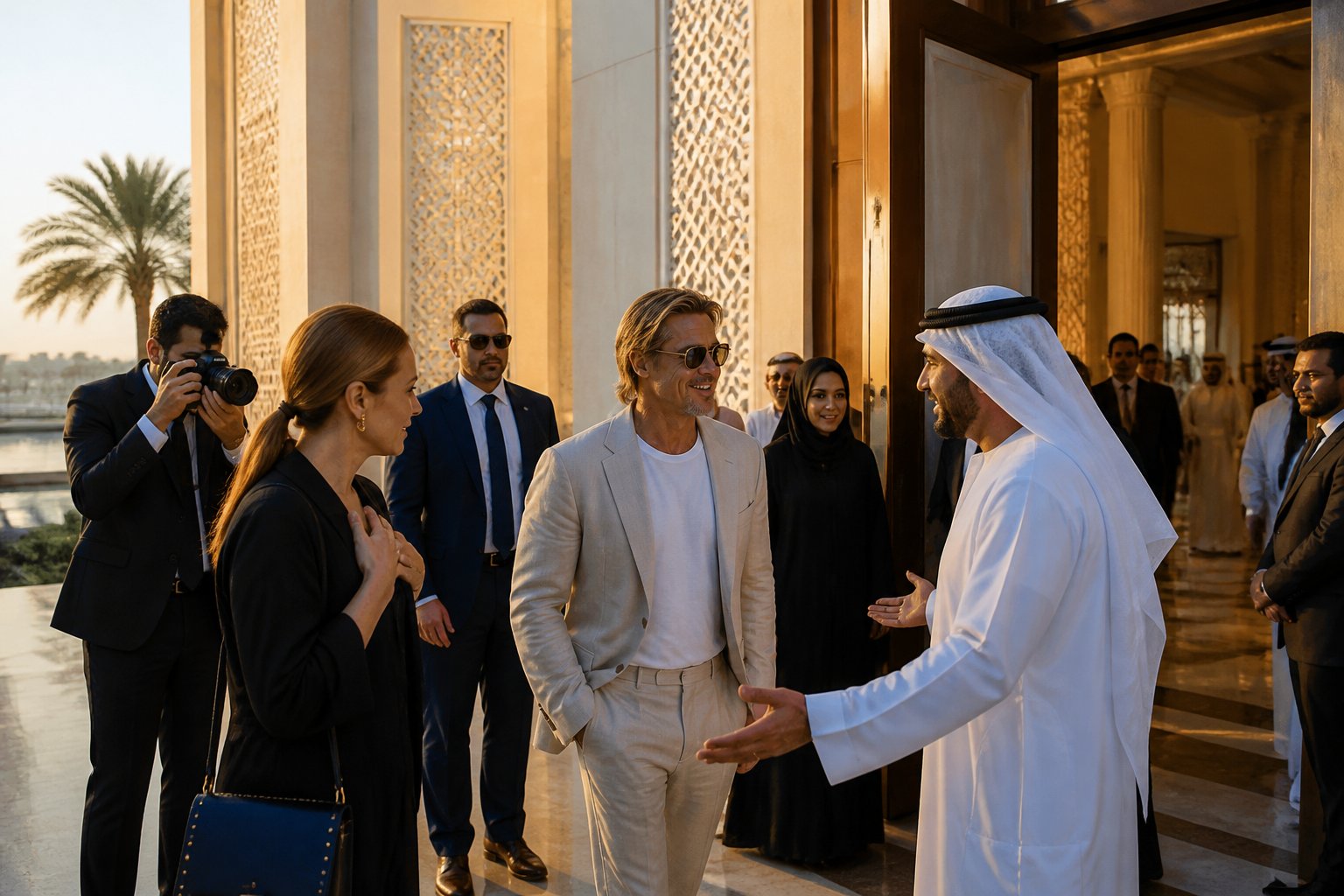
We see Abu Dhabi’s celebrity presence develop through major sporting events, cultural venues, tourism campaigns, and carefully managed public appearances. These activities connect international entertainment with the emirate’s cultural institutions, hospitality sector, and destination-marketing strategy.
Major Events And Cultural Institutions
Major events give celebrities visible, structured ways to engage with Abu Dhabi. The NBA Abu Dhabi Games, held at Etihad Arena on Yas Island on October 2 and 4, 2025, attracted figures including actor Adrien Brody and Indian actor Ranveer Singh. Sporting events such as these create public appearances without making celebrity access the central focus.
The Formula 1 Abu Dhabi Grand Prix also draws international entertainers, athletes, and public figures. Yas Marina Circuit, entertainment venues, and surrounding hospitality sites provide settings for appearances, interviews, and social-media coverage.
Cultural institutions add a different dimension. The Louvre Abu Dhabi, Qasr Al Watan, and heritage sites such as Qasr Al Hosn offer contexts linked to art, history, and national identity. When public figures visit these locations, coverage can present Abu Dhabi through its cultural assets rather than through luxury or entertainment alone.
Hospitality, Tourism, And Brand Partnerships
Hotels, restaurants, resorts, and attractions support celebrity visits by providing privacy, security, and coordinated guest services. Yas Island, Saadiyat Island, and major waterfront properties can host artists, athletes, and media personalities attending events or filming promotional material.
Tourism partnerships make these appearances more deliberate. Ranveer Singh became an Experience Abu Dhabi brand ambassador in 2022, and Deepika Padukone later joined him in a campaign promoting travel, family experiences, and cultural exploration. Their involvement reflects a broader strategy: use recognizable personalities to show specific attractions while linking the destination to contemporary Indian popular culture.
We should distinguish promotional appearances from private travel. A campaign or official event usually comes with approved imagery and clear messaging, while an unannounced visit may receive limited public confirmation. This distinction matters when assessing reports about celebrity activity and avoiding unsupported claims.
Freemasonry, Privacy, And Public Perception
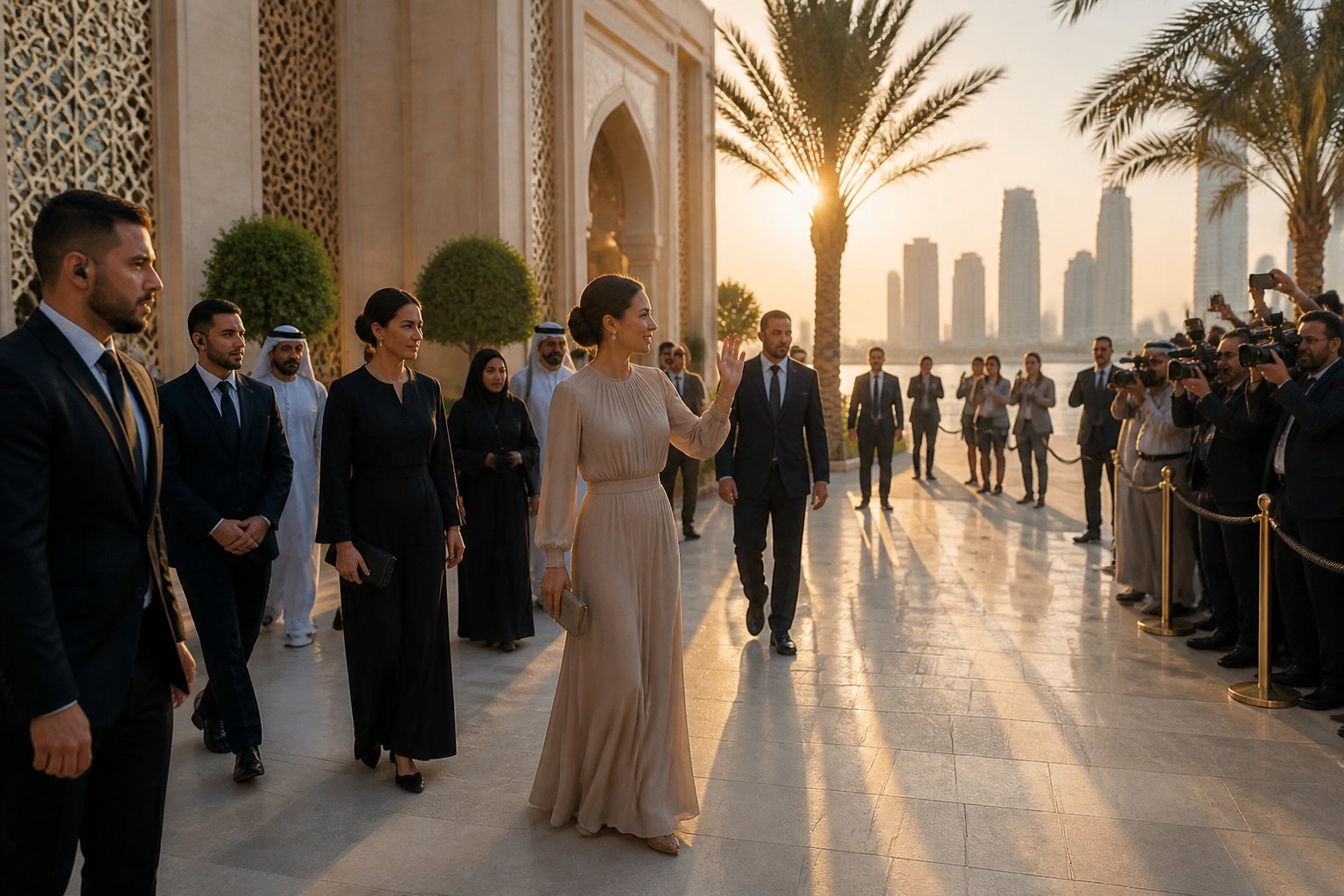
We should separate verified lodge records and direct statements from rumors about private affiliations. We should also report public appearances in Abu Dhabi with respect for personal privacy, cultural context, and the limits of available evidence.
Distinguishing Documented Affiliations From Speculation
Freemasonry generally treats some rituals and membership details as private, but privacy does not make every claim credible. We should identify a person as a Freemason only when reliable evidence supports the claim, such as an official lodge statement, a published biography with sourcing, archival records, or the individual’s own public confirmation.
A visit to Abu Dhabi, attendance at a cultural event, or contact with a charitable organization does not prove Masonic membership. Symbols, hand gestures, clothing, social connections, and photographs can have many explanations. We should avoid presenting them as evidence without corroboration.
Useful distinctions include:
- Documented affiliation: supported by primary or reputable secondary sources.
- Reported affiliation: attributed clearly to a named source but not independently confirmed.
- Speculation: based on appearances, symbols, or anonymous claims.
This approach also recognizes that Freemasonry varies across jurisdictions and that public information about lodges in the UAE may be limited.
Media Ethics And Responsible Reporting
We should report celebrity appearances in Abu Dhabi according to their public relevance, not because private associations create intrigue. Coverage should state the event, date, venue, host, and publicly confirmed purpose when those details are available, while avoiding unsupported claims about lodge membership or secret meetings.
Images require similar care. A photograph may establish that two people attended the same event, but it does not establish their beliefs, organizational roles, or private relationships. We should caption images precisely and avoid suggestive wording that turns ordinary contact into evidence of affiliation.
When sources disagree, we should identify the uncertainty instead of selecting the most dramatic account. We should also distinguish Freemasonry’s charitable or fraternal activities from conspiracy theories about political control, which lack reliable evidence. This standard protects public figures, respects UAE cultural and legal sensitivities, and gives readers information they can assess.