
Freemasonry can offer young professionals more than a formal membership. Through shared values, structured meetings, and community service, we can develop stronger relationships, practice leadership, and connect with people from different backgrounds.
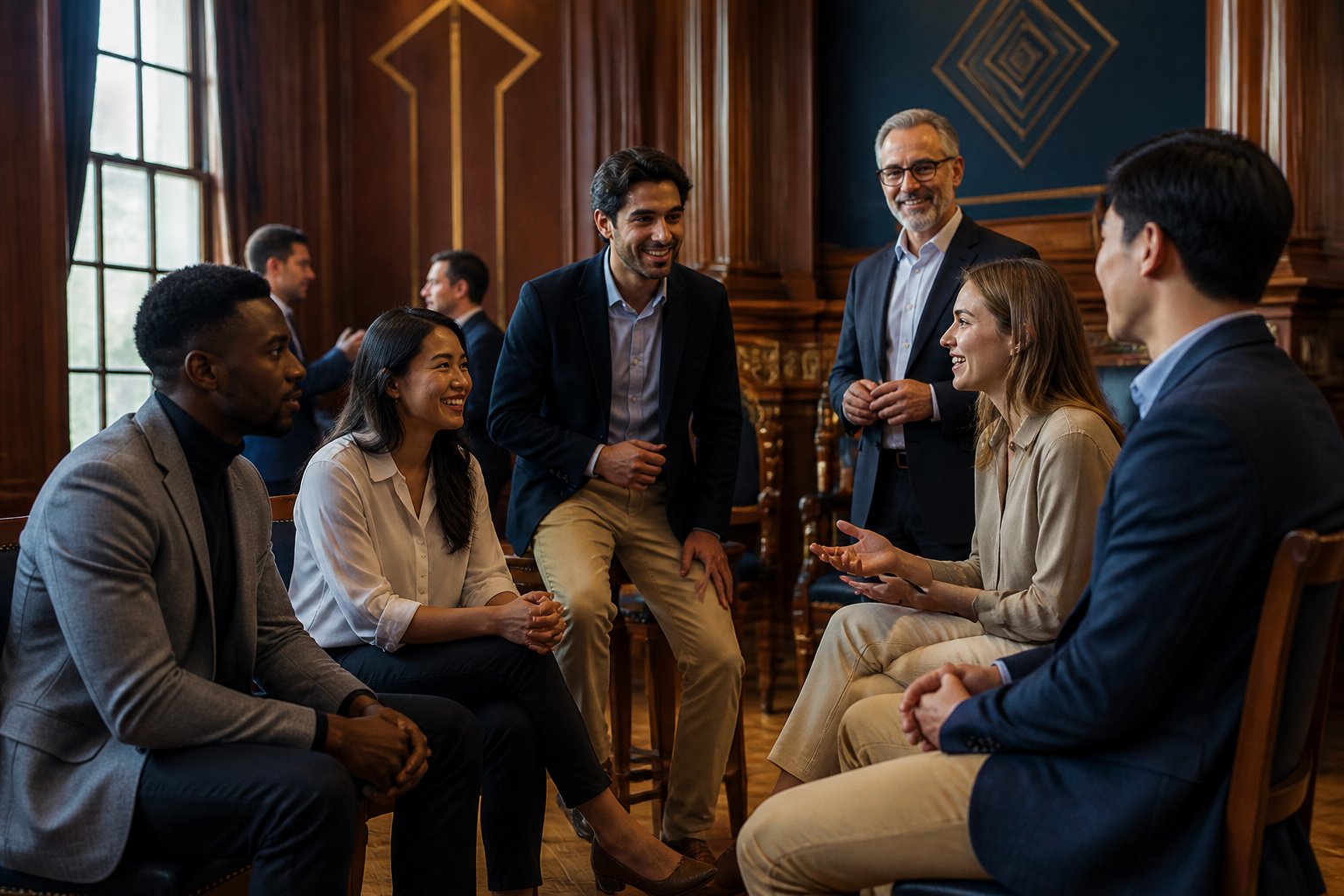
For young professionals, Freemason membership may provide fellowship, personal development, leadership practice, and meaningful opportunities to serve others. Benefits vary by lodge, location, and personal goals, while eligibility requirements typically include adulthood, good character, and a belief in a higher power.
We will examine what Freemasonry involves, who can join, and how its traditions and networks may support early-career growth without promising guaranteed financial or professional advancement.
Understanding Freemasonry and Eligibility

Freemasonry is a voluntary fraternal organization built around ethical conduct, personal development, fellowship, and community service. Membership rules differ by jurisdiction, so we should verify local requirements before applying.
Core Principles and Organizational Structure
Freemasonry uses symbolic lessons, formal ceremonies, and lodge meetings to encourage values such as integrity, responsibility, respect, and mutual support. Members commonly participate in charitable activities, social events, education, and discussions about personal conduct and civic responsibilities.
A lodge serves as the local unit where members meet and conduct Masonic business. Lodges usually operate under a regional or national grand lodge, which establishes standards and recognizes individual lodges. Freemasonry generally progresses through three symbolic degrees:
- Entered Apprentice
- Fellow Craft
- Master Mason
Completing the third degree typically grants full membership in a regular Masonic jurisdiction. Practices, terminology, meeting schedules, and recognition standards can vary between countries and grand lodges. We should therefore contact an officially recognized grand lodge or local lodge rather than rely on unofficial organizations or online claims.
Age, Character, and Membership Requirements
Most regular Masonic jurisdictions require applicants to meet a minimum age, commonly 18 or 21, depending on local rules. In England and Wales, membership is generally open to men aged 18 and over, while separate women-only grand lodges operate independently. Other jurisdictions may admit women or apply different organizational policies.
Applicants usually need a good personal reputation, a willingness to follow the lodge’s rules, and a sincere interest in its principles. Many regular jurisdictions also require belief in a Supreme Being, although they do not normally prescribe a specific religion. We should confirm the exact policy with the relevant grand lodge.
The process often includes contacting a lodge, submitting a petition, meeting members, and undergoing a formal ballot. A criminal record does not automatically disqualify every applicant, but serious offenses or concerns about honesty and conduct may affect eligibility. Membership also requires time for meetings, degree work, fees, and participation in lodge activities.
Potential Value for Early-Career Professionals
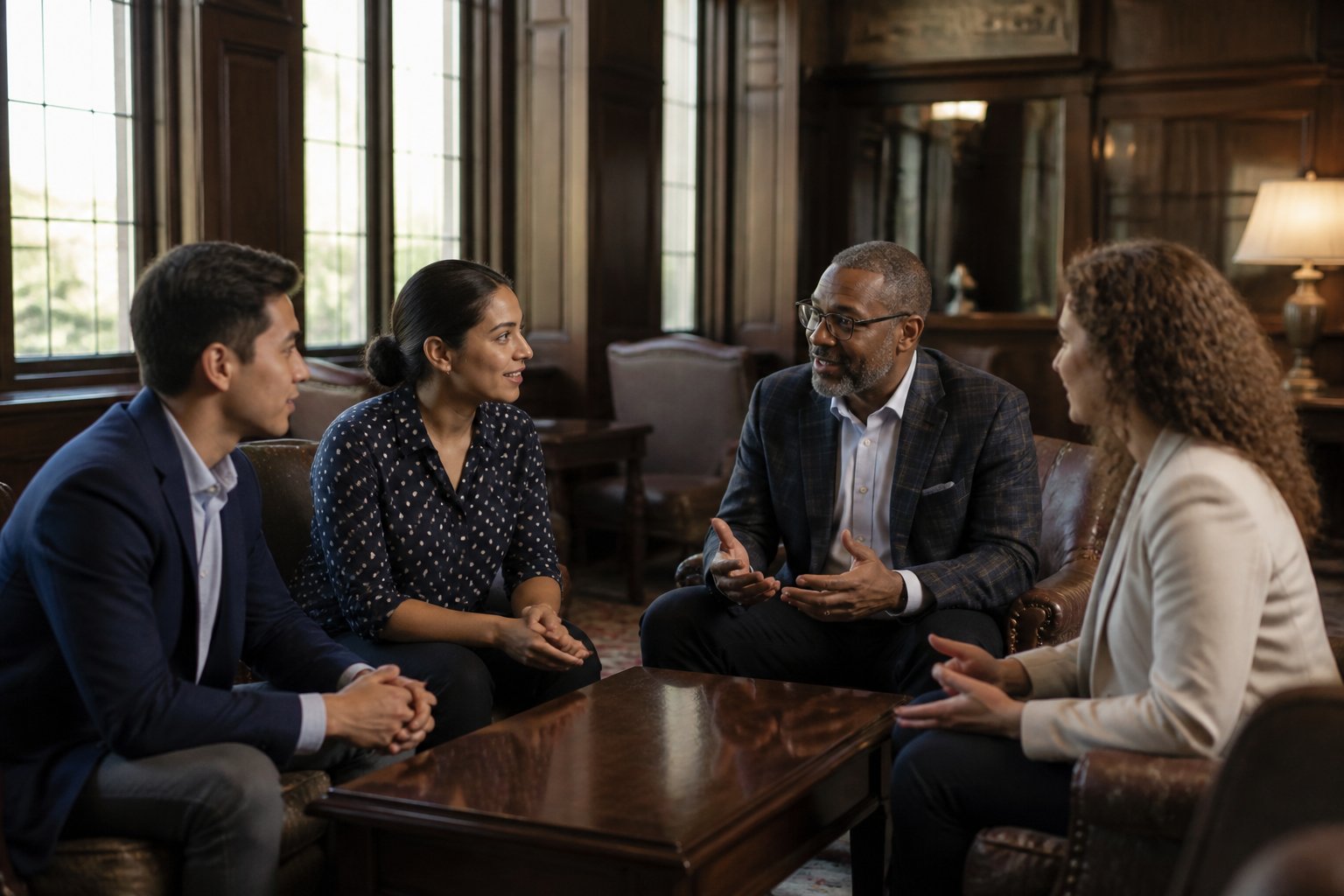
Freemasonry may give young professionals access to relationships, structured development, and service experiences outside their workplaces. Its value depends on the quality of the local lodge, the member’s goals, and the time and money required.
Professional Networking and Mentorship
We can meet members from different professions, industries, and age groups through lodge meetings, educational events, and community activities. These connections may help us understand unfamiliar fields, identify career paths, or receive practical advice from experienced professionals.
Mentorship works best when we build relationships gradually rather than treating membership as a direct route to employment. We should ask specific questions, demonstrate reliability, and respect professional boundaries. A lodge may provide introductions or encouragement, but it cannot guarantee interviews, clients, promotions, or business opportunities.
We should also check whether a lodge’s membership reflects the industries and communities relevant to our goals. A local lodge with limited professional diversity may offer strong friendships and service opportunities but little direct career networking.
Leadership, Communication, and Service Opportunities
Lodges often rely on members to organize meetings, manage finances, coordinate events, and communicate with committees. Taking on these responsibilities can help us practice planning, public speaking, delegation, and follow-through in a setting less pressured than a workplace.
Younger members may gain leadership experience by serving as an officer or leading a charitable project. These roles can produce concrete examples for a résumé or interview, particularly when we can describe the project’s scope, our responsibilities, and its measurable results.
Service also develops professional judgment. Coordinating a fundraiser, supporting a community organization, or managing volunteers requires us to set priorities and work with people who have different expectations. We should pursue these roles for genuine participation, not simply to collect titles.
Time, Financial, and Personal Considerations
Membership usually involves an initiation or degree-related fee, annual dues, and possible costs for meals, travel, regalia, or charitable activities. Fees vary substantially by jurisdiction and lodge, so we should request a complete schedule of expected costs before joining.
Regular meetings and ceremonies can require several evenings each month. We should compare those commitments with work demands, education, family responsibilities, and other interests. A lodge that offers flexible participation may suit an early-career professional better than one with frequent mandatory events.
We should also consider whether the organization’s traditions, religious requirements, conduct standards, and culture match our values. Visiting a lodge, speaking with several members, and reviewing its expectations can help us assess the experience before making a commitment.