
Freemasonry connects leadership with service, integrity, and continued personal development. Through lodge responsibilities, mentorship, reflection, and cooperation, we can strengthen the character and practical skills that guide our decisions.
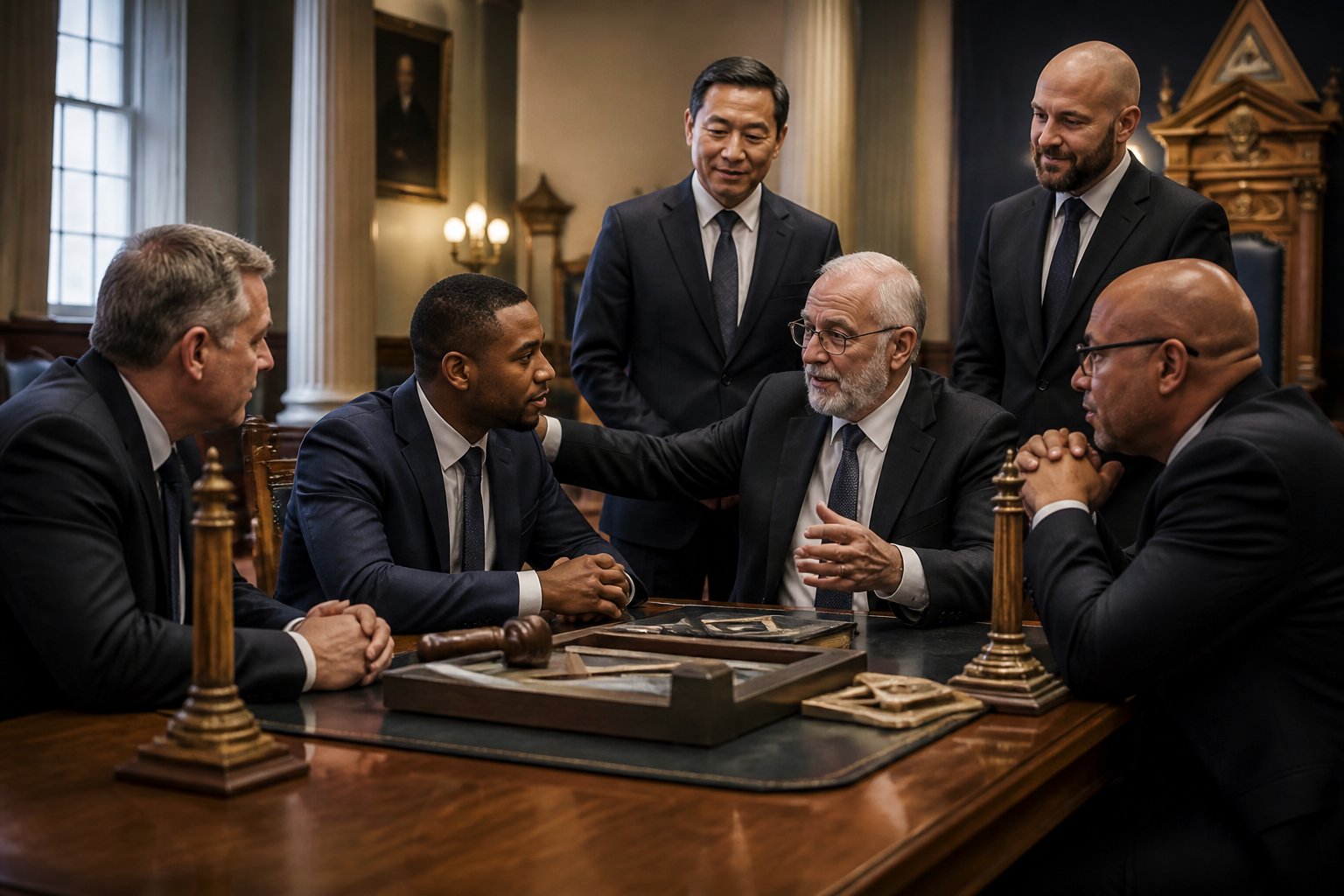
We become better leaders by applying Masonic principles—Brotherly Love, Relief, and Truth—to our conduct, responsibilities, and relationships. These values encourage accountability, ethical judgment, compassion, and respect rather than personal ambition.
Our development does not stop at the lodge. By carrying these lessons into our families, workplaces, and communities, we can lead with greater consistency and turn personal growth into meaningful service.
Core Masonic Principles
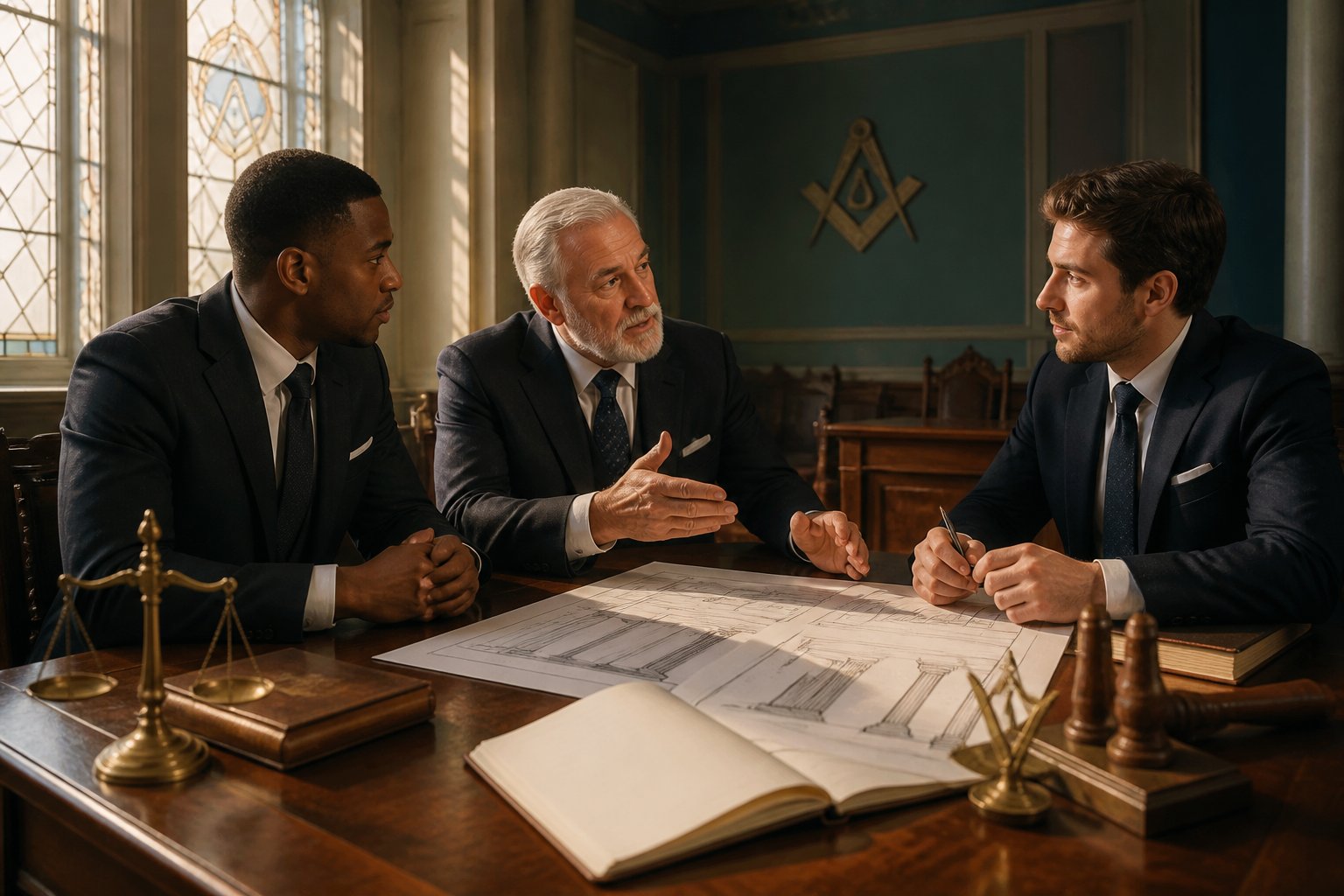
We strengthen Masonic life through mutual respect, honest relationships, and practical service. We also apply ethical standards to our decisions, accept responsibility for our conduct, and use reflection to improve our character and leadership.
Brotherhood And Mutual Respect
We treat every brother with dignity, regardless of age, occupation, background, or lodge position. Brotherhood requires more than fellowship; it calls us to listen carefully, keep confidence, and offer practical support when another member faces difficulty.
In lodge discussions, we show respect by allowing others to speak, addressing disagreements without personal attacks, and separating criticism of an idea from criticism of a person. We can strengthen trust through simple actions:
- Welcoming new members and helping them understand lodge practices
- Including quieter members in conversations and activities
- Sharing responsibilities instead of leaving them to a few volunteers
- Offering mentorship without demanding dependence
Mutual respect also extends beyond lodge meetings. When we serve our communities, cooperate with other organizations, or represent Freemasonry publicly, our conduct should reflect courtesy and restraint. These habits help us build relationships based on trust rather than status or personal influence.
Ethical Conduct And Accountability
We apply Masonic principles to daily choices, not only to lodge ceremonies. Integrity requires us to tell the truth, keep commitments, protect confidential information, and treat people fairly when no recognition or advantage follows.
Accountability gives these standards practical force. We accept responsibility when we make mistakes, correct errors promptly, and avoid shifting blame. Lodge officers can support this culture by explaining decisions, managing funds carefully, following established rules, and inviting appropriate review of their work.
We should examine both our intentions and our results. A well-intended decision can still cause harm if we ignore relevant facts or fail to hear affected members. Regular reflection, constructive feedback, and continued study help us identify weaknesses and develop sounder judgment. In this way, personal development becomes a continuing discipline grounded in honesty, service, and responsible action.
Applying Lessons Beyond The Lodge

We put Masonic values into practice by making decisions that serve others and by examining our conduct honestly. Service, ethical judgment, continuous study, and disciplined self-reflection help us carry these principles into our families, workplaces, and communities.
Service-Oriented Decision-Making
We can apply brotherly love, relief, and truth by considering how our choices affect people with less influence or fewer resources. Before approving a workplace policy, allocating community funds, or resolving a disagreement, we should identify the facts, listen to those affected, and test the decision against clear ethical standards.
A practical process includes:
- Define the responsibility: State who depends on the decision and what obligations we hold.
- Check fairness: Look for conflicts of interest, unequal burdens, or overlooked voices.
- Choose useful action: Prefer solutions that address real needs rather than merely appearing generous.
- Review the result: Correct mistakes and explain decisions honestly.
Service does not require public recognition. We strengthen trust when we keep commitments, protect confidentiality, volunteer reliably, and use authority to support people rather than advance personal status.
Lifelong Learning And Self-Reflection
We develop better judgment when we treat learning as a continuing responsibility. Reading history, ethics, leadership, and civic issues can expand our perspective, while practical skills such as listening, public speaking, and conflict resolution improve how we serve others.
Self-reflection turns experience into improvement. After a difficult meeting or personal disagreement, we can ask: Did we act fairly? Did we listen carefully? Did fear, pride, or impatience influence us? Writing brief notes, inviting trusted feedback, and revisiting our decisions can reveal patterns that are difficult to see alone.
We should also distinguish confidence from certainty. When evidence changes, we can revise our position without abandoning our principles. This combination of humility, intellectual discipline, and honest self-assessment helps us align our daily conduct with the standards we claim to value.