Freemasonry is a centuries-old fraternal organization built around ethical conduct, personal development, fellowship, and charitable work. We can understand Freemasonry as a membership-based fraternity in which Freemasons meet in a masonic lodge, use traditional symbols and ceremonies, and apply shared moral principles to daily life.

For those exploring the subject in the UAE, we can separate historical facts from popular myths while considering how Freemasonry differs from a religion or political group. We will examine its core principles, symbols, lodge life, origins, membership practices, and the misconceptions that continue to shape public discussion.
Core Principles, Symbols, And Lodge Life
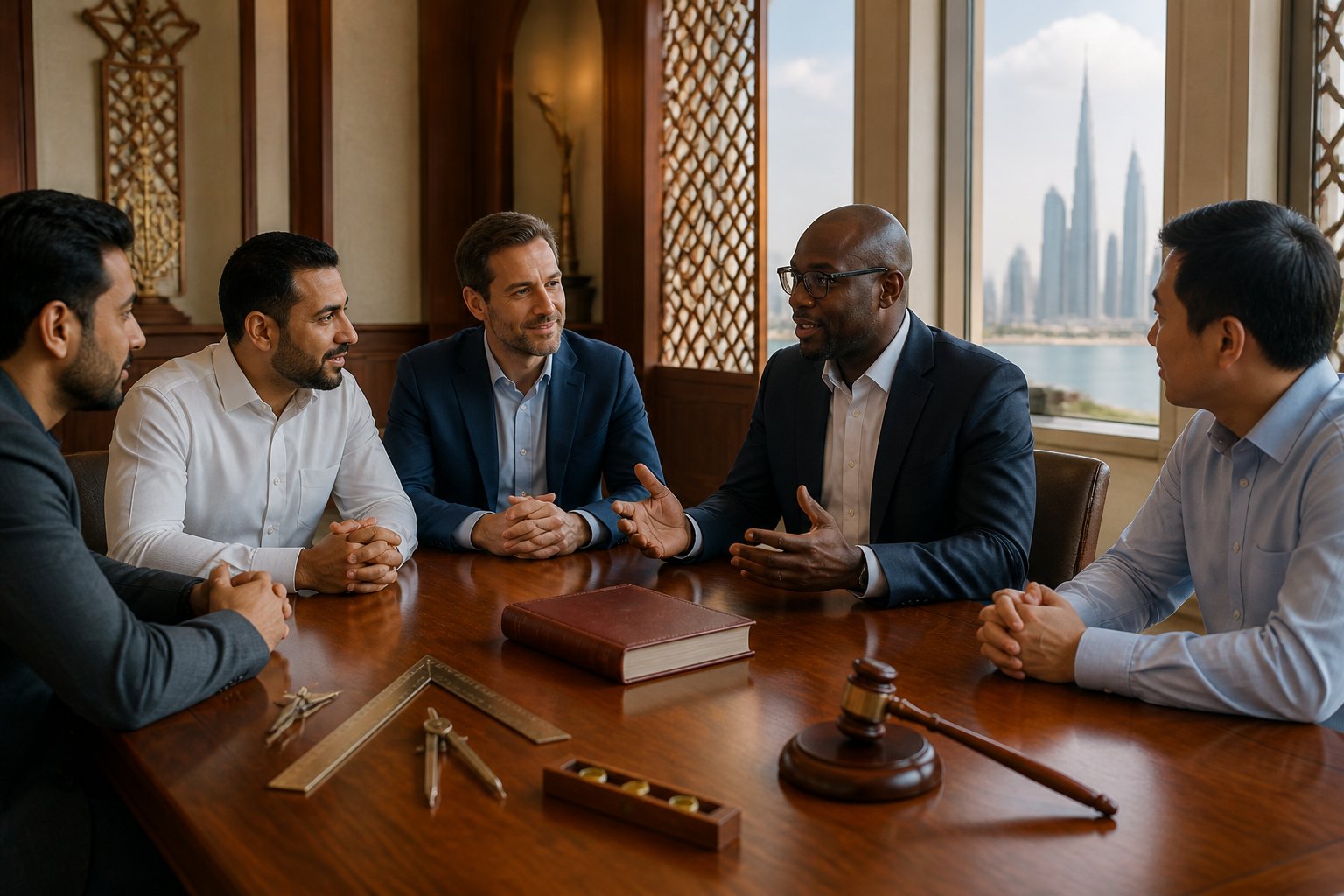
Freemasonry combines brotherhood, charity, moral instruction, and structured lodge meetings. Its ceremonies use traditional craft tools and architectural images to encourage personal growth, ethical conduct, and community service.
Brotherly Love, Relief, And Truth
We commonly describe three central principles as Brotherly Love, Relief, and Truth. Brotherly love means treating fellow members with respect, fairness, and goodwill, regardless of differences in background or social position.
Relief refers to practical assistance for people facing hardship. Masonic charity may support members, their families, local causes, or wider community projects. The type and extent of assistance depend on the lodge, its governing rules, and available funds.
Truth involves honesty, reliability, and a commitment to examine our conduct. Freemasonry presents these principles through ritual and discussion rather than through one religious doctrine. Lodges generally require belief in a Supreme Being, while members may follow different faiths; religious and political disputes are commonly excluded from lodge meetings.
The Square, Compass, And Moral Lessons
The square and compass form the best-known emblem of Craft Freemasonry. Interpretations vary by jurisdiction, but the square commonly represents honest conduct and acting fairly toward others. The compass often symbolizes self-control, restraint, and keeping personal behavior within proper limits.
Other lodge symbols reinforce these lessons. The level represents the equal standing of members within the lodge, even though they may hold different occupations or social positions outside it. Masonic working tools connect practical craft skills with moral instruction: building a sound structure becomes an image for building a disciplined character.
These symbols do not function as a single universal code. Their explanations differ between traditions, and members study them through ceremonies, lectures, and personal reflection. The emphasis remains on self-improvement, responsible behavior, and service rather than on secret powers or supernatural claims.
Degrees: Entered Apprentice, Fellowcraft, And Master Mason
Craft Freemasonry usually organizes its principal instruction into three degrees:
- Entered Apprentice: We receive an introduction to lodge customs, basic duties, and the symbolic tools of the craft.
- Fellowcraft: We explore learning, discipline, and the development of intellectual and practical abilities.
- Master Mason: We encounter teachings about responsibility, fidelity, mortality, and the obligations of mature membership.
The degree system uses allegory, formal questions, signs, and symbolic ceremonies. These elements differ among jurisdictions, so no single wording or practice applies worldwide. Members normally advance only after meeting their lodge’s requirements and demonstrating sufficient understanding.
The degrees do not constitute academic qualifications or professional licenses. They provide a framework for reflection, fellowship, and continued personal growth. Additional Masonic bodies may offer further ceremonies, but they remain separate from the three Craft degrees.
Freemasonry Structure And Lodge Officers
A Masonic lodge provides the local setting for meetings, ceremonies, education, fellowship, and charity. Each lodge operates under a charter or authority from a Grand Lodge or comparable governing body. Rules, terminology, eligibility requirements, and ceremonial details vary by jurisdiction.
The Worshipful Master presides over the lodge and manages its work. The Senior Warden and Junior Warden support the Master and traditionally oversee different aspects of lodge order and member development. Other officers may include a secretary, treasurer, and deacons, with responsibilities defined by local rules.
Freemasonry uses terms such as lodge, degree, Craft, Grand Lodge, Worshipful Master, and brother. These titles describe offices or traditions, not claims of social superiority. In the UAE, anyone considering membership should verify the legal status, location, and governing jurisdiction of any organization before attending meetings or making commitments.
History, Membership, And Common Misconceptions
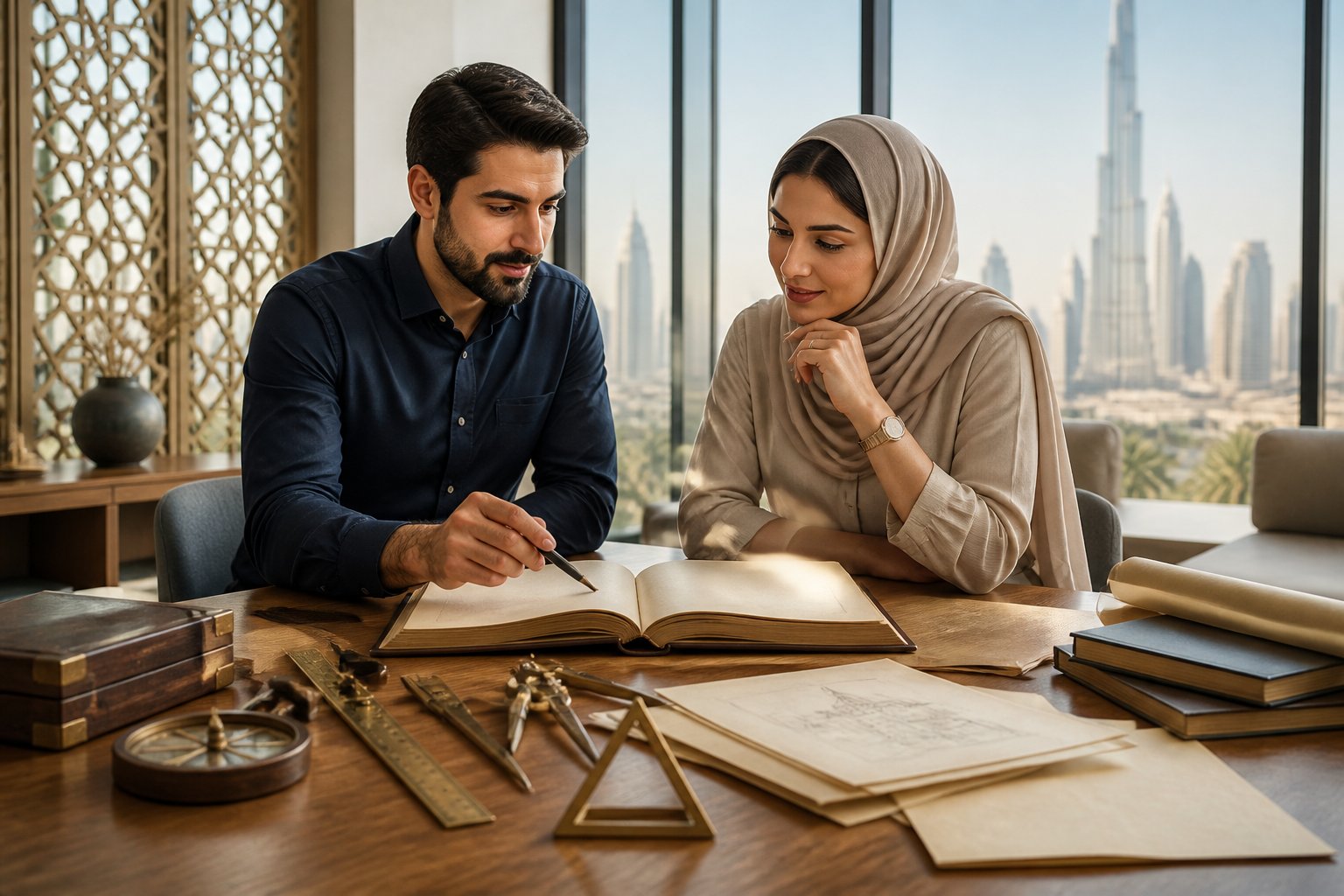
Freemasonry developed from European craft traditions into a modern fraternal organisation focused on ethical conduct, personal development, charity, and fellowship. Its membership rules, religious expectations, privacy practices, and international forms vary by jurisdiction, so readers in the UAE should consult the relevant recognised lodge or governing body.
From Medieval Stonemasons To Modern Freemasonry
Medieval stonemasons formed working lodges to organise skilled labour, manage apprenticeships, and preserve craft knowledge. From the seventeenth century onward, some lodges admitted “accepted” members who did not work as stonemasons. In 1717, four London lodges helped establish the first Grand Lodge of England, an event often associated with modern Freemasonry.
Modern Freemasonry uses building tools such as the square and compasses as symbols of ethical discipline rather than construction equipment. Members commonly progress through three principal degrees: Entered Apprentice, Fellow Craft, and Master Mason. Additional rites and offices exist, but their names, ceremonies, and administration differ among jurisdictions.
Who Can Join And How To Become A Freemason
Membership requirements depend on the governing Grand Lodge. Many mainstream male jurisdictions require applicants to meet an age threshold, demonstrate good moral character, and express a sincere belief in a Supreme Being. Freemasonry generally does not prescribe one specific religion, but individual lodges may apply different rules.
A non-Mason normally begins by contacting a lodge, attending an introductory meeting, and submitting an application. Members may interview the applicant and conduct a formal ballot before initiation. We should verify local eligibility, recognition, fees, meeting arrangements, and legal considerations before applying in the UAE.
Women can join organisations such as the Order of Women Freemasons and other women’s or mixed-gender Masonic bodies. These organisations operate independently in many places, and recognition between jurisdictions varies.
Religion, Privacy, And Secret-Society Myths
Freemasonry is often called a secret society, but many lodges publicly identify their officers, meeting locations, charitable activities, and membership procedures. Its private elements usually involve ceremonies, passwords, signs, and traditional forms of recognition, including references to secret handshakes. These practices protect ritual privacy rather than establish political control.
Freemasonry does not function as a religion, church, or political party. Many jurisdictions require belief in a Supreme Being and prohibit religious or political debate in lodge meetings, while allowing members to follow their own faiths outside the lodge. We should also distinguish documented history from conspiracy claims that lack reliable evidence.
Freemasonry Around The World And Notable Members
Freemasonry spread through British imperial networks and later developed under separate national or regional Grand Lodges. Practices differ across Britain, Europe, North America, and other regions. Recognition remains important: one Masonic body may not recognise another because of differences involving authority, membership, religion, or gender.
Historical records identify several well-known Freemasons, including George Washington, Benjamin Franklin, Winston Churchill, and composer Wolfgang Amadeus Mozart. Their membership does not prove that Freemasonry directed their public decisions or achievements. We should treat claims about famous members carefully and rely on lodge records, biographies, and established historical sources.