
After you submit a petition to join Freemasonry, the lodge reviews your application and decides whether to invite you to continue. We may contact you for an interview, verify the information you provided, and explain the lodge’s expectations.
After approval, we prepare for initiation by completing any required steps, learning what to expect, and beginning to take part in lodge activities. The process can vary by jurisdiction, so we should expect the timeline and requirements to differ between lodges.
Understanding the review process, membership decision, and preparation for initiation can help us approach each stage with confidence and realistic expectations.
The Lodge Review And Membership Decision
After we submit an application, the lodge verifies the information, learns more about our character and expectations, and follows its governing rules before voting. Procedures vary by jurisdiction, but the process commonly includes direct contact, interviews, background checks, and a formal ballot.
Initial Contact And Application Acknowledgment
A lodge representative usually confirms that the lodge received our petition and explains the next steps. We may receive information about membership requirements, expected conduct, fees, meeting schedules, and the approximate time needed for review.
The lodge may also verify that we meet basic eligibility rules, which can differ by grand lodge. These rules may address age, belief in a Supreme Being, residence, reputation, and whether we have a criminal or disciplinary history that affects eligibility.
We should answer promptly and accurately if the lodge requests clarification. We should also tell the lodge about changes to our address, employment, contact details, or personal circumstances while the application remains under review.
Background Checks And Candidate Interviews
The lodge may conduct a background check or use other methods allowed by its jurisdiction. Reviewers may examine public records and ask about matters relevant to honesty, reliability, financial responsibility, and lawful conduct.
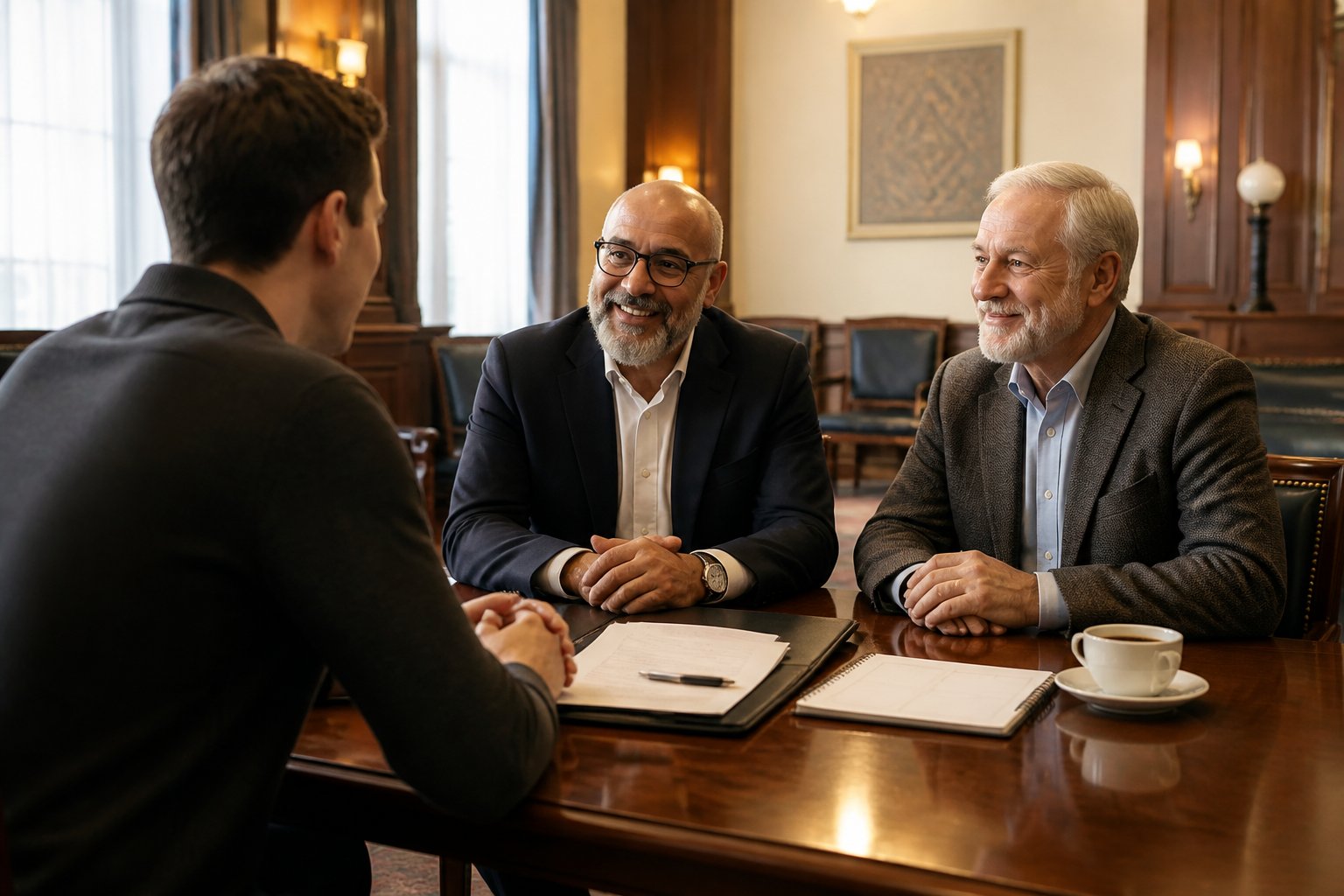
Lodge members commonly meet with us individually or as a small committee. They may ask why we want to join, what we understand about Freemasonry, whether our family supports the time commitment, and whether we can attend meetings and participate constructively.
These conversations should allow us to ask direct questions about lodge culture, costs, degree preparation, attendance, and community activities. We should give complete answers rather than trying to present an idealized version of ourselves. The lodge evaluates suitability, not perfection.
Ballot Procedures And Notification
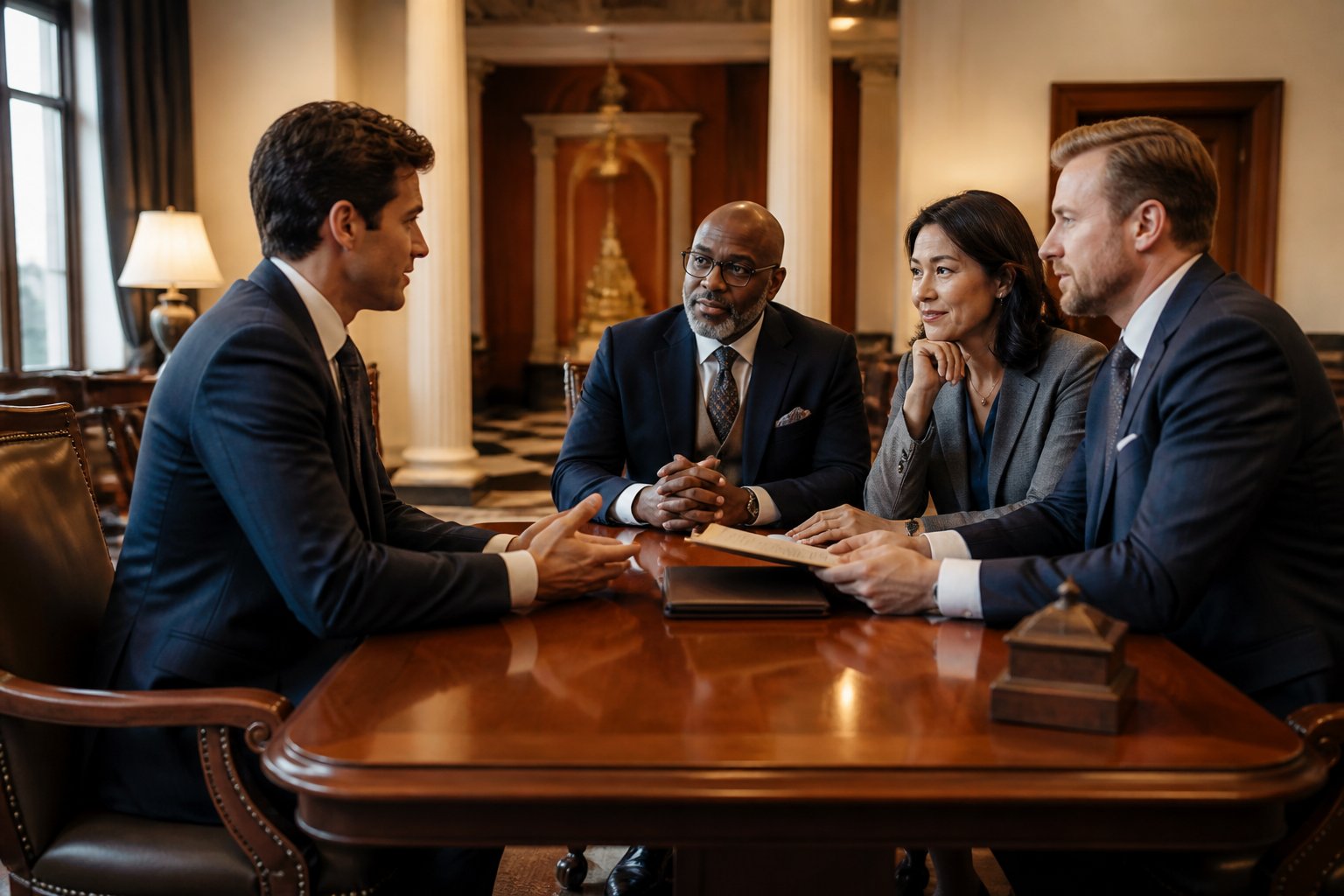
After the investigation, the lodge presents the petition according to its rules. Members then vote by secret ballot during a regular meeting. The required voting standard and procedures vary by jurisdiction, so we should not assume that every lodge uses the same system.
The lodge normally communicates the decision through an authorized officer or representative. If elected, we receive instructions about scheduling, required payments, preparation for the Entered Apprentice degree, and any documents still needed.
If the petition does not receive approval, the lodge may provide limited information because ballot secrecy often prevents members from identifying individual votes. A rejection does not necessarily prevent a future petition, but waiting periods and reapplication rules depend on the governing grand lodge.
Preparation For Initiation And Early Participation

We confirm the ceremony date, learn the lodge’s practical requirements, and ask what preparation the lodge expects. We also begin building trust by attending permitted meetings, observing local customs, and getting to know the members who will support our progress.
Scheduling The Entered Apprentice Degree
After the lodge approves our petition, its officers usually coordinate a date for the Entered Apprentice degree, the first degree in Freemasonry. Timing depends on the lodge calendar, the availability of officers, and any requirements set by the relevant Grand Lodge.
We should ask the secretary or assigned mentor about:
- The ceremony date, starting time, and expected duration
- Where to arrive and whom to contact
- Required clothing or regalia
- Whether guests or family members may attend any related meal
- Any fees that remain due before initiation
- Materials we may read beforehand
We should not rely on unofficial online descriptions for ritual details. Instead, we can ask lodge officers which preparation materials are authorized and whether we need to memorize a charge, answer questions, or attend a rehearsal.
What To Expect At The First Ceremony
The Entered Apprentice ceremony formally admits us as members in the first degree. The exact wording, sequence, clothing, and procedures vary by jurisdiction, but the lodge will explain practical instructions before the meeting begins.
We should arrive early, dress according to the lodge’s guidance, and tell the secretary about medical, mobility, hearing, or other concerns. We can also ask privately about any part of the ceremony that makes us uncertain. The ceremony includes formal commitments, symbolic instruction, and presentations of the degree’s working tools and duties.
We should listen carefully and avoid trying to anticipate every detail. Afterward, the lodge may provide an explanation, a printed charge, or direction from a mentor. We should record questions and raise them respectfully rather than discussing private ritual matters outside the lodge.
Learning Lodge Customs And Building Relationships
Early participation involves more than attending the initiation. We learn when the lodge opens, how members address one another, where to sit, how visitors are introduced, and what conduct the lodge expects during meetings and meals. These customs differ, so we should observe first and ask when unsure.
A designated mentor or sponsoring member may help us understand the lodge’s calendar, charitable activities, educational meetings, and progression toward the Fellow Craft degree. We can attend events that are open to us, introduce ourselves to members, and accept practical guidance without feeling pressured to speak or volunteer immediately.
Regular attendance helps us become familiar with the members and the lodge’s working style. We should keep contact information for the secretary and mentor, notify the lodge if we cannot attend, and follow through on commitments we make.