
Freemasonry in the United Arab Emirates operates within a complex legal and cultural environment, so its lodge structure may differ from the systems familiar in Europe or North America. Public information remains limited, and some references concern military lodges or historical activity rather than openly operating civilian organizations.
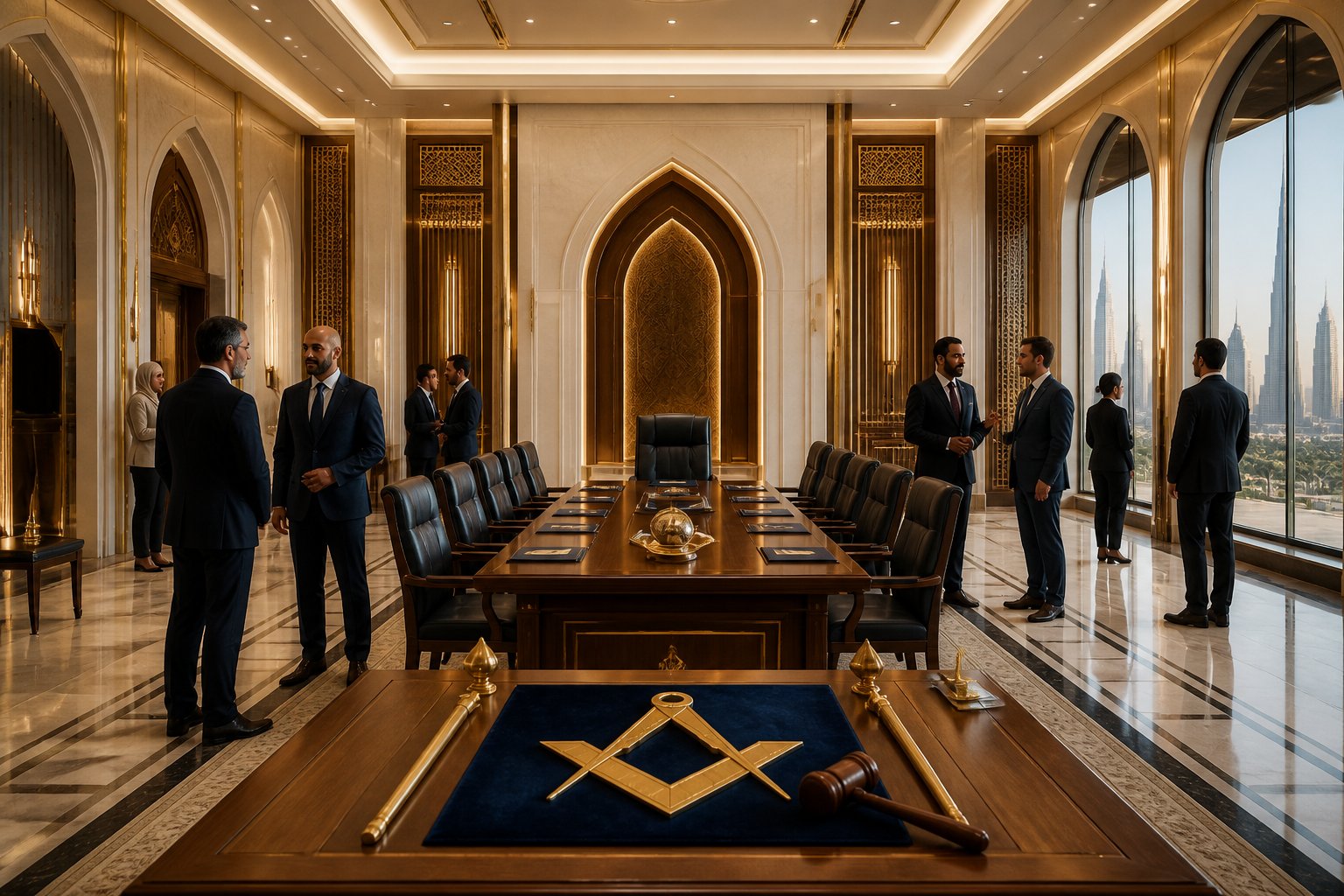
We should treat claims about UAE lodges carefully: their governance, membership rules, officer roles, and meeting arrangements depend on the sponsoring grand lodge and the permissions available under UAE law. By examining internal organization alongside local regulations and cultural expectations, we can separate documented facts from speculation and better understand how these lodges function.
Lodge Governance, Membership, And Internal Roles
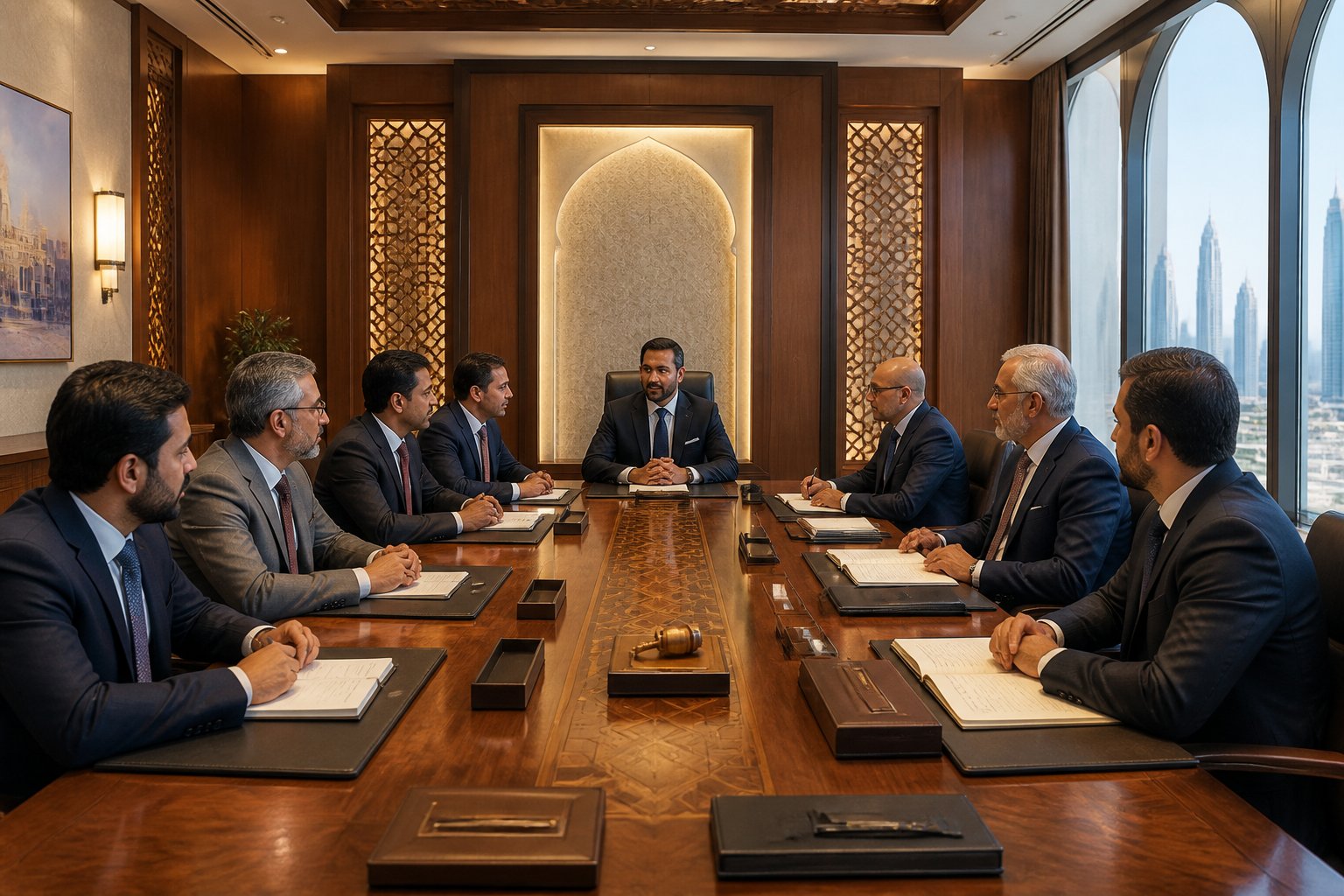
We organize lodge life through relationships with recognized governing bodies, defined officer duties, and local administrative procedures. In the UAE, legal requirements, jurisdictional recognition, membership eligibility, and visitor protocols can vary, so we should verify current rules with the relevant authority rather than rely on informal descriptions.
Grand Lodge Relationships And Recognition
A Masonic lodge normally operates under a Grand Lodge or another recognized Masonic governing body. That authority issues the lodge’s charter or warrant, approves its rules, supervises regularity, and may review its financial and administrative records.
The UAE does not have a universally recognized national Grand Lodge governing all Freemasonry within the country. Any lodge claiming to operate in the UAE should therefore identify its sponsoring or supervising jurisdiction and explain how that body recognizes it. Recognition between Grand Lodges remains a jurisdictional matter; one body may recognize another while restricting formal visitation or intercommunication.
We should also distinguish Masonic recognition from UAE government authorization. A charter does not by itself establish permission to operate an association, hold meetings, solicit funds, or conduct activities in the country. Local laws and official approvals take priority.
Officers, Committees, And Administrative Duties
A lodge commonly elects or appoints officers to manage meetings, ritual work, finances, records, and member welfare. The Worshipful Master presides over the lodge, while the Senior and Junior Wardens assist with lodge operations and progression through its regular work.
Other principal roles often include:
- Secretary: maintains minutes, correspondence, notices, and membership records.
- Treasurer: manages accounts, payments, budgets, and financial reporting.
- Senior and Junior Deacons: support ceremonies and guide members during lodge proceedings.
- Tyler: controls access to the meeting area.
- Stewards: assist with hospitality and practical arrangements.
Committees may handle membership applications, charity, events, finance, or compliance. Their authority comes from the lodge’s governing rules, and sensitive decisions should remain properly recorded and subject to the supervising jurisdiction’s requirements.
Membership Eligibility And Visiting Masons
Eligibility depends on the lodge’s constitution and the rules of its supervising Grand Lodge. Many regular jurisdictions require adult applicants to express belief in a Supreme Being, demonstrate good character, apply voluntarily, and complete an investigation or interview. Requirements can differ, particularly regarding age, sponsorship, background checks, and residence.
In the UAE, applicants should also consider local law, immigration status, employment policies, and any restrictions on associations or organized gatherings. We should confirm that a lodge has valid recognition and lawful operating arrangements before submitting personal information or paying fees.
Visiting Masons usually need proof of membership and good standing, such as current dues documentation or a formal introduction. The host lodge may verify recognition through established channels, require advance notice, and restrict access to private meetings or ceremonies. Unrecognized bodies may not receive visiting privileges from regular lodges.
Operations Within The UAE Legal And Cultural Context
We must distinguish documented arrangements from online claims, because public evidence about active, formally recognized Masonic lodges in the UAE remains limited. Our activities would therefore depend on lawful authorization, suitable venues, host-country rules, and careful respect for religious and cultural sensitivities.
Meeting Practices And Venue Arrangements
We should hold meetings only in venues that lawfully permit private associations or organized gatherings. A hotel, private club, diplomatic facility, or military installation may impose its own access, identification, security, and booking requirements; a venue booking alone would not establish legal recognition for a lodge.
We must obtain any required approvals before inviting participants, collecting fees, or conducting organized activities. UAE federal and emirate-level rules can apply differently, so we should verify requirements with the relevant authority or qualified UAE legal adviser rather than rely on foreign Masonic customs or informal internet reports.
Meeting records should identify the responsible organizing body, authorized contact persons, venue, date, and purpose. We should avoid public claims that imply government endorsement, official recognition, or unrestricted membership unless reliable documentation supports those claims.
Privacy, Religious Sensitivities, And Public Conduct
We may protect members’ personal information and keep internal proceedings private, but privacy does not exempt us from UAE law. We should not describe confidentiality as secrecy that overrides licensing, reporting, immigration, security, or law-enforcement requirements.
Our conduct should respect Islam, the UAE’s religious environment, and the customs of each emirate. We should avoid religious debate, political activity, sectarian language, offensive symbols, and public ceremonies that could be misunderstood or conflict with local standards.
We should obtain consent before photographing or publishing members’ names, faces, lodge marks, or meeting details. Online posts should use factual language and avoid claims about influence, conspiracies, government relationships, or activities that authorities have not approved.
Charitable Activities And Community Engagement
We should conduct charitable work through a legally authorized organization or an approved partnership. Fundraising, donations, public appeals, volunteer programs, and transfers of money may require permissions, documented recipients, and compliance with rules governing charities and financial transactions.
A lodge should maintain clear records for every contribution, including the donor, amount, purpose, recipient, approval, and evidence of delivery. We should use regulated banking channels and avoid informal cash collections or cross-border transfers that lack an auditable purpose.
Community engagement should remain practical and nonpolitical. Suitable activities may include approved donations, educational support, disaster assistance, or volunteer work arranged with recognized institutions. We should present the work under the legally responsible entity’s name and avoid implying that charitable activity grants the lodge legal status.