
Freemasonry can help us expand our international network by connecting us with members who share established values, traditions, and community interests across national borders. Lodges and international Masonic organizations create opportunities to meet people from different cultures through visits, events, charitable work, and professional exchange.
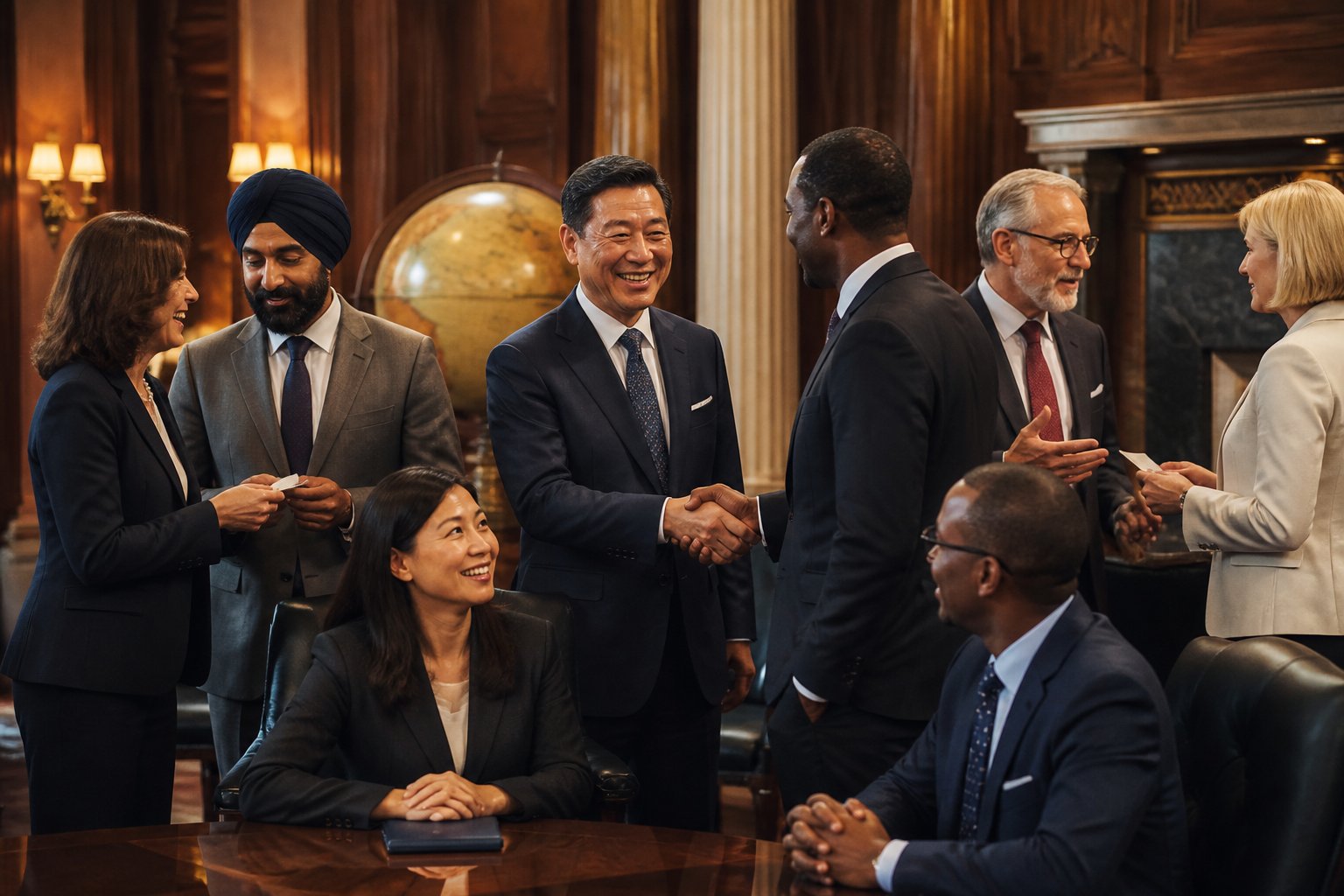
By participating actively in Masonic networks, we can build trusted cross-border relationships that support cultural understanding, personal growth, and meaningful collaboration. These connections develop through regular communication and shared experiences rather than simple introductions.
As we explore Freemasonry’s international connections, we will examine how lodge membership and participation can help us form lasting relationships beyond our local community.
Understanding Freemasonry’s International Connections
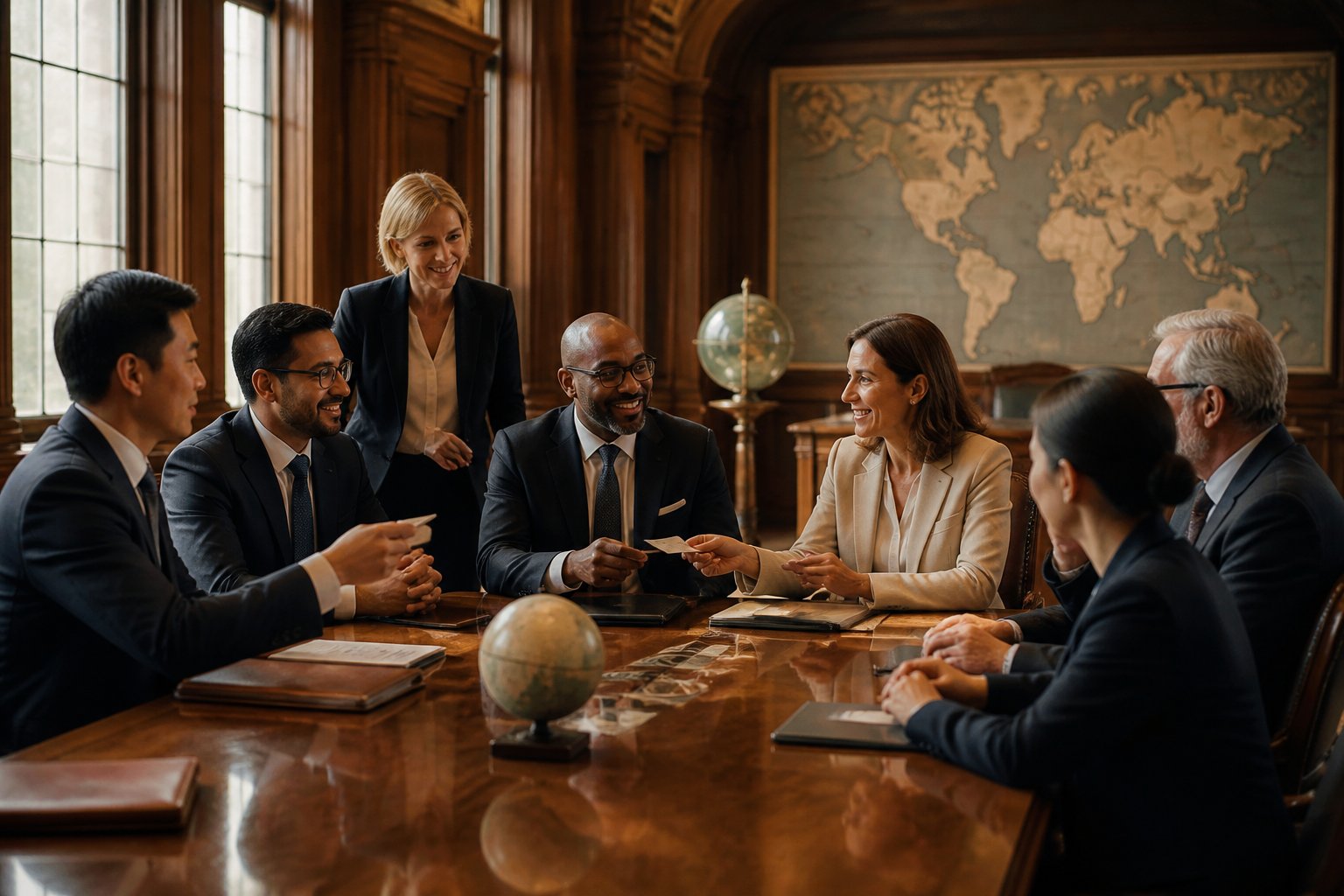
Freemasonry connects members through lodge relationships, intervisitation, correspondence, and formal recognition between governing bodies. These links can help us build international contacts, but access depends on local rules, recognition agreements, and respectful participation.
Global Lodge Networks
Freemasonry operates through Grand Lodges, which generally oversee lodges within a defined territory. Each Grand Lodge maintains its own administration, customs, and standards, while formal recognition allows members from corresponding jurisdictions to visit one another’s lodges.
We can use these networks to meet people in other countries through lodge visits, conferences, charitable projects, and Masonic correspondence. Before arranging a visit, we should confirm that our lodge recognizes the destination jurisdiction and follow its visitor procedures. A letter of introduction, membership documentation, and advance contact with the host lodge may be required.
International connections do not guarantee business opportunities or access to every lodge. They work best when we approach them as long-term relationships grounded in shared interests, reliable conduct, and genuine participation. Networks such as international Masonic associations and regional conferences can also provide structured opportunities to exchange ideas across jurisdictions.
Shared Principles Across Jurisdictions
Many Masonic jurisdictions emphasize brotherhood, moral conduct, personal improvement, charity, and mutual support. Lodges may use different ceremonies, organizational practices, or language, but these recurring principles give members a practical basis for conversation and cooperation.
We can strengthen international relationships by learning local customs rather than assuming that every lodge operates identically. Respect for religious and cultural differences matters, especially because Freemasonry is not governed by one worldwide authority. Recognition, eligibility, and participation rules vary between jurisdictions.
Shared principles also create opportunities for collaboration. We might join discussions on community service, support a recognized charitable initiative, or exchange approaches to lodge education. These activities allow trust to develop through consistent action instead of relying solely on introductions or professional credentials.
Building Meaningful Cross-Border Relationships
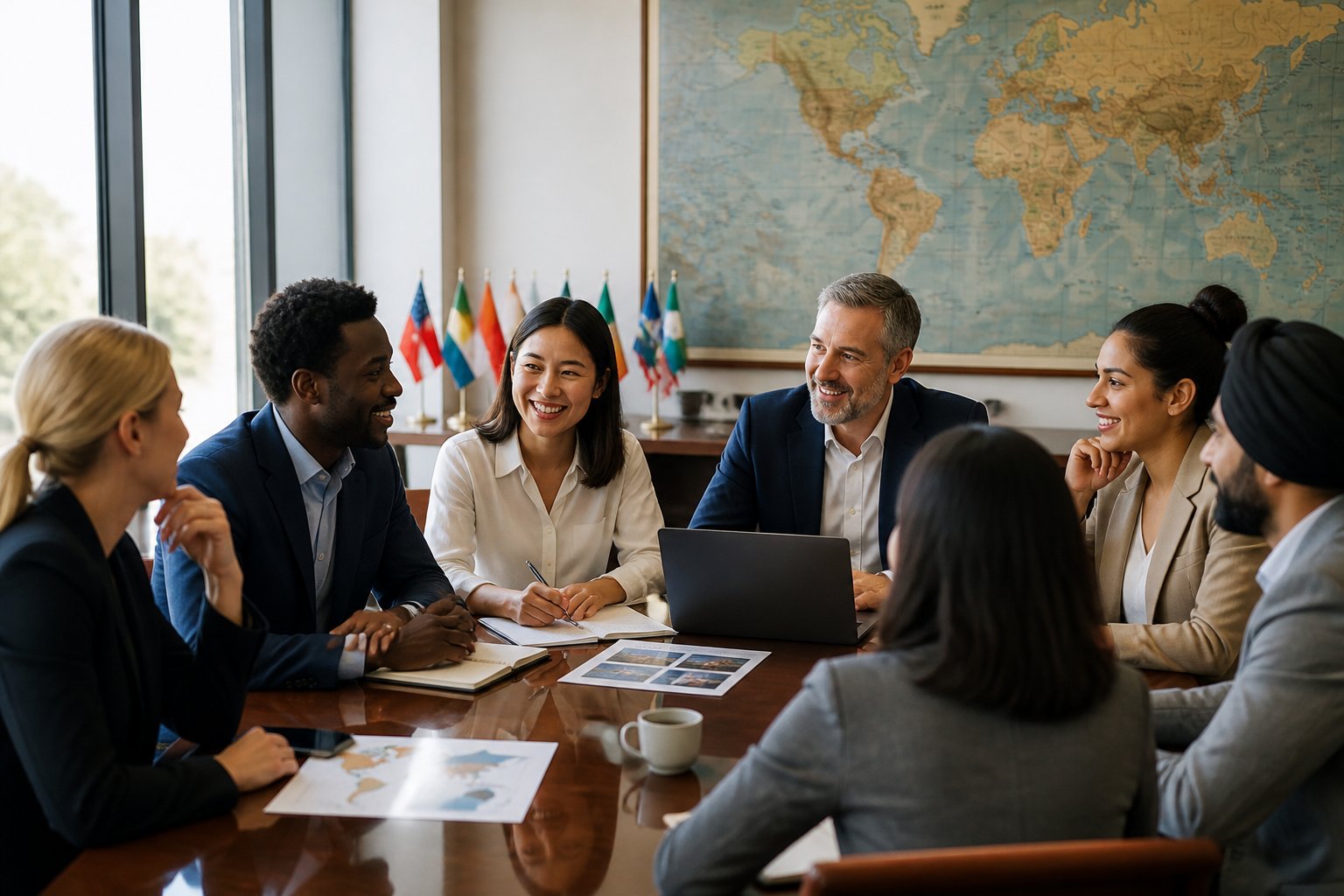
International Masonic relationships grow through respectful visits, shared service, and consistent communication. We can strengthen these connections by preparing carefully, participating actively, and maintaining contact beyond a single meeting or event.
Visiting Lodges While Traveling
When traveling, we can contact a lodge in advance through its official grand lodge or district website. We should confirm recognition, meeting dates, dress requirements, visitor procedures, and whether we need a letter of introduction or proof of membership.
A planned visit helps us respect local customs and avoid misunderstandings. We can introduce ourselves briefly, explain our lodge affiliation, and ask about the lodge’s charitable work, history, and community priorities. We should avoid assuming that every jurisdiction follows the same ceremonies, rules, or language.
After the meeting, we can exchange contact details with members who share professional or personal interests. A short message thanking the lodge for its hospitality creates a reliable foundation for future communication.
Participating in International Masonic Events
Conferences, joint lodge meetings, degree ceremonies where permitted, and charitable initiatives provide structured opportunities to meet members from different jurisdictions. We should review the event’s purpose, registration requirements, recognition rules, and schedule before attending.
Active participation produces stronger relationships than simply collecting contacts. We can join a discussion, volunteer for an organizing task, or contribute practical knowledge about community projects, fundraising, education, or lodge administration.
We should listen carefully to members from other countries and avoid treating our local practices as universal. Shared principles may create common ground, but meaningful cooperation depends on understanding differences in governance, culture, language, and charitable priorities.
Maintaining Professional and Personal Connections
We can preserve new relationships by sending a personal follow-up message within a few days of meeting. Mentioning the specific lodge, event, conversation, or project helps the recipient remember the connection and shows genuine attention.
A simple contact system can help us organize names, jurisdictions, interests, and consent for future communication. We should use professional networks and messaging platforms appropriately, protect private information, and respect differences in time zones and communication preferences.
Regular contact should offer value rather than create pressure. We might share a relevant article, invite a visitor to a public lodge program, exchange information about a charitable initiative, or arrange a video conversation. Trust develops when we communicate reliably and follow through on commitments.