The UAE hosts major cultural, entertainment, and business events that attract prominent international guests. Celebrity appearances can generate interest, but public attention does not establish any connection to Freemasonry.
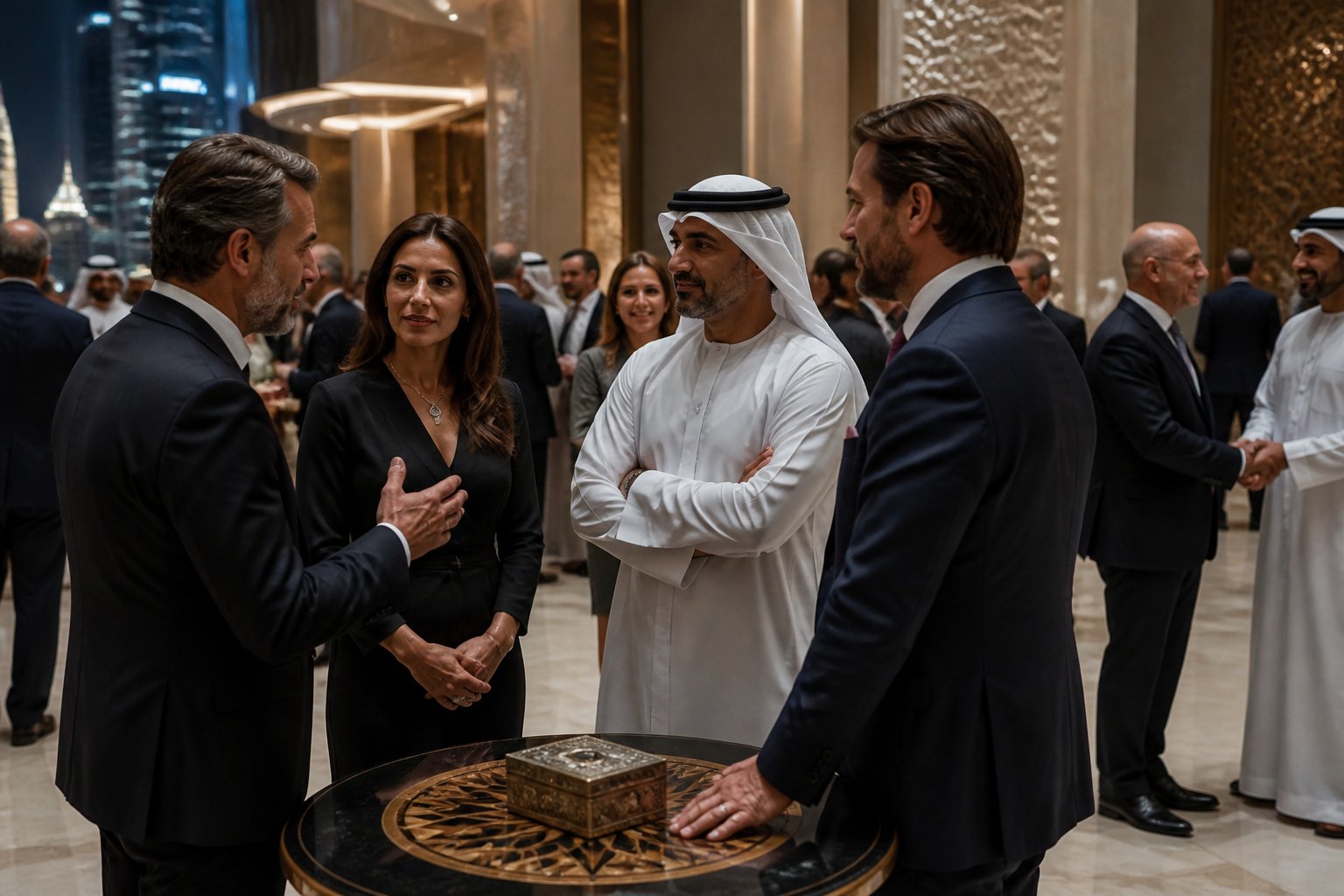
We should treat Freemasonry claims as unverified unless reliable sources, official statements, or documented lodge records support them. Our article examines UAE event culture, separates confirmed facts from online speculation, and considers how responsible reporting can avoid turning rumors into headlines.
You will also see why celebrity presence alone cannot prove membership, affiliation, or involvement with a Masonic lodge.
UAE Event Culture and Celebrity Appearances
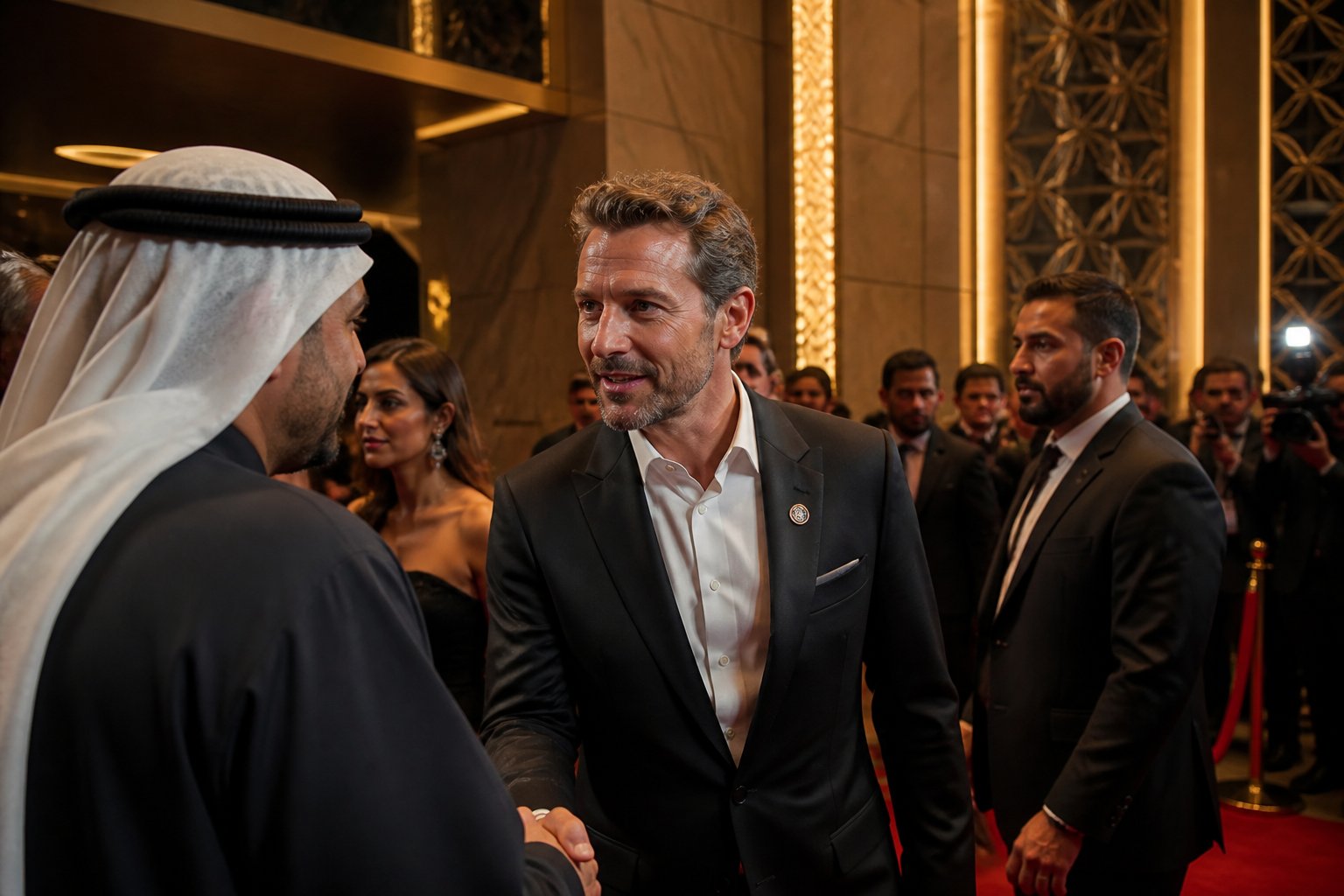
We see UAE event culture shaped by luxury hospitality, international entertainment, business networking, and strong media visibility. Celebrity attendance can support an event’s profile, but it does not by itself establish a guest’s private affiliations, including any alleged connection to Freemasonry.
Major Entertainment and Business Events
The UAE hosts celebrity appearances across film festivals, art fairs, fashion launches, music events, sports occasions, and corporate gatherings. Dubai’s Art Dubai, for example, attracts collectors, artists, influencers, and public figures, while Abu Dhabi’s entertainment calendar includes major concerts, cultural programs, and film-related events.
Luxury hotels and resorts often provide venues for product launches, private dinners, charity functions, and brand activations. Recent media coverage has reported appearances by figures such as Huda Kattan, Victoria Beckham, Deepika Padukone, Ranveer Singh, Virat Kohli, and Anushka Sharma at events or activities in Dubai and Abu Dhabi.
We should distinguish between public attendance and private involvement. A celebrity may attend as a performer, host, brand representative, investor, guest, or tourist, and those roles do not necessarily indicate participation in an organization connected with the event.
Publicity, Sponsorship, and Guest Selection
Organizers and sponsors select high-profile guests to attract press coverage, increase social-media engagement, and connect a campaign with a particular audience. A beauty launch may prioritize influencers and entrepreneurs, while a film event may invite actors, directors, producers, and journalists.
Publicity materials often identify a celebrity’s official role, such as presenter, campaign ambassador, speaker, or performer. We should rely on those descriptions and on reputable reporting rather than infer a person’s beliefs or affiliations from photographs, venue access, clothing, symbols, or contact with other guests.
When reports mention Freemasonry or related claims, we need clear, independently verified evidence. Attendance at a UAE event, a relationship with a sponsor, or an appearance alongside another public figure does not prove membership, endorsement, or involvement in a lodge or Masonic project.
Freemasonry Claims: Evidence, Context, and Responsible Reporting
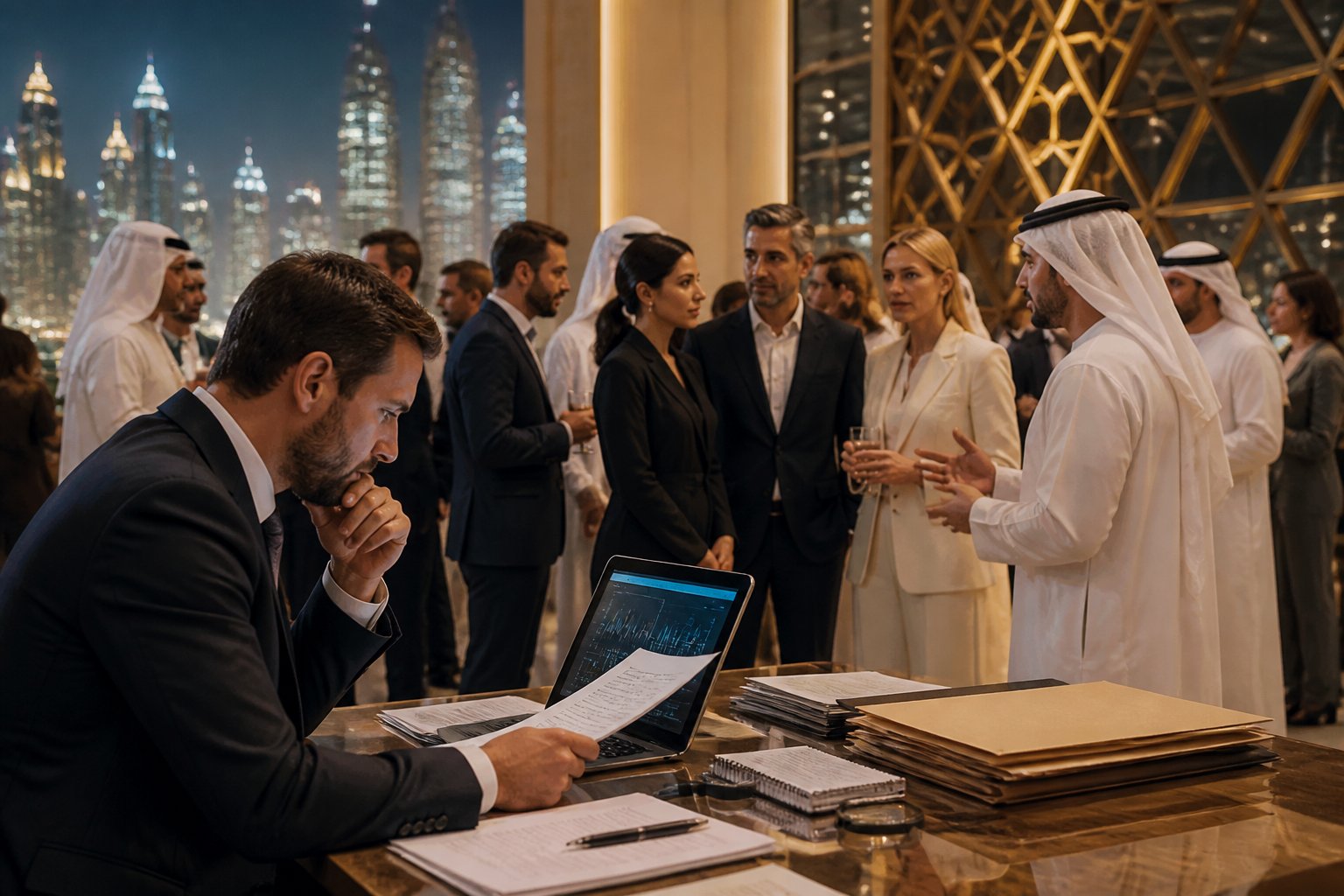
Freemasonry is a fraternal organization with historical links to stonemasons’ guilds and Enlightenment-era associations, not proven evidence of a coordinated world government. Responsible reporting separates documented membership, public symbolism, and verified event attendance from speculation, inherited rumors, and conspiracy claims.
What Freemasonry Is and Is Not
We should describe Freemasonry as a network of private fraternal organizations governed through local lodges and larger regional or national Grand Lodges. Members may participate in charitable work, ceremonies, social events, and civic activities, but practices and membership rules vary by jurisdiction.
Privacy and symbolism often create confusion. A lodge’s private meetings do not establish political control, criminal activity, or a unified global agenda. Claims connecting Freemasonry to ancient civilizations, secret world government, or every prominent public figure generally require evidence that goes beyond symbolic interpretations or repeated online assertions.
A celebrity’s appearance at a UAE event therefore proves attendance, not Masonic affiliation. We need a separate, reliable source for any claim about membership.
Verifying Public Records and Sources
We should seek evidence from the most direct and accountable sources available. Useful records may include official lodge or Grand Lodge registers, archival publications, contemporary newspapers, biographies with citations, and statements from the individual or authorized representatives.
A practical verification process includes:
- Identify the relevant location and period.
- Check official Masonic archives or library collections.
- Compare records with reputable historical reporting.
- Distinguish confirmed membership from honorary references, invitations, or event symbolism.
- Record uncertainty when sources conflict or remain incomplete.
Digital registers can help with historical figures, but availability varies by country and date. We should not treat search-engine snippets, unsourced social-media posts, anonymous blogs, photographs of Masonic symbols, or attendance at a private venue as conclusive proof.
Privacy, Defamation, and Cultural Sensitivities
We should avoid identifying a living person as a Freemason unless credible evidence supports the claim and the information serves a legitimate public-interest purpose. Membership may constitute sensitive personal information, and publishing an unverified allegation can damage reputation, particularly when the article links it to secret control, corruption, or criminal conduct.
We should use precise language: “official records identify the person as a member” differs from “online claims associate the person with Freemasonry.” We should attribute claims, provide dates and sources, seek comment when appropriate, and correct errors promptly.
UAE coverage also requires cultural awareness. We should avoid presenting local events, religious values, national institutions, or private associations through imported conspiracy narratives. Attendance, professional relationships, and ceremonial imagery should remain separate from claims about belief, membership, influence, or wrongdoing.