Freemasonry has a long tradition of charitable service, supporting members, families, and wider communities through donations, volunteering, and partnerships. In the UAE, this work must align with local laws, cultural values, and approved charitable channels.
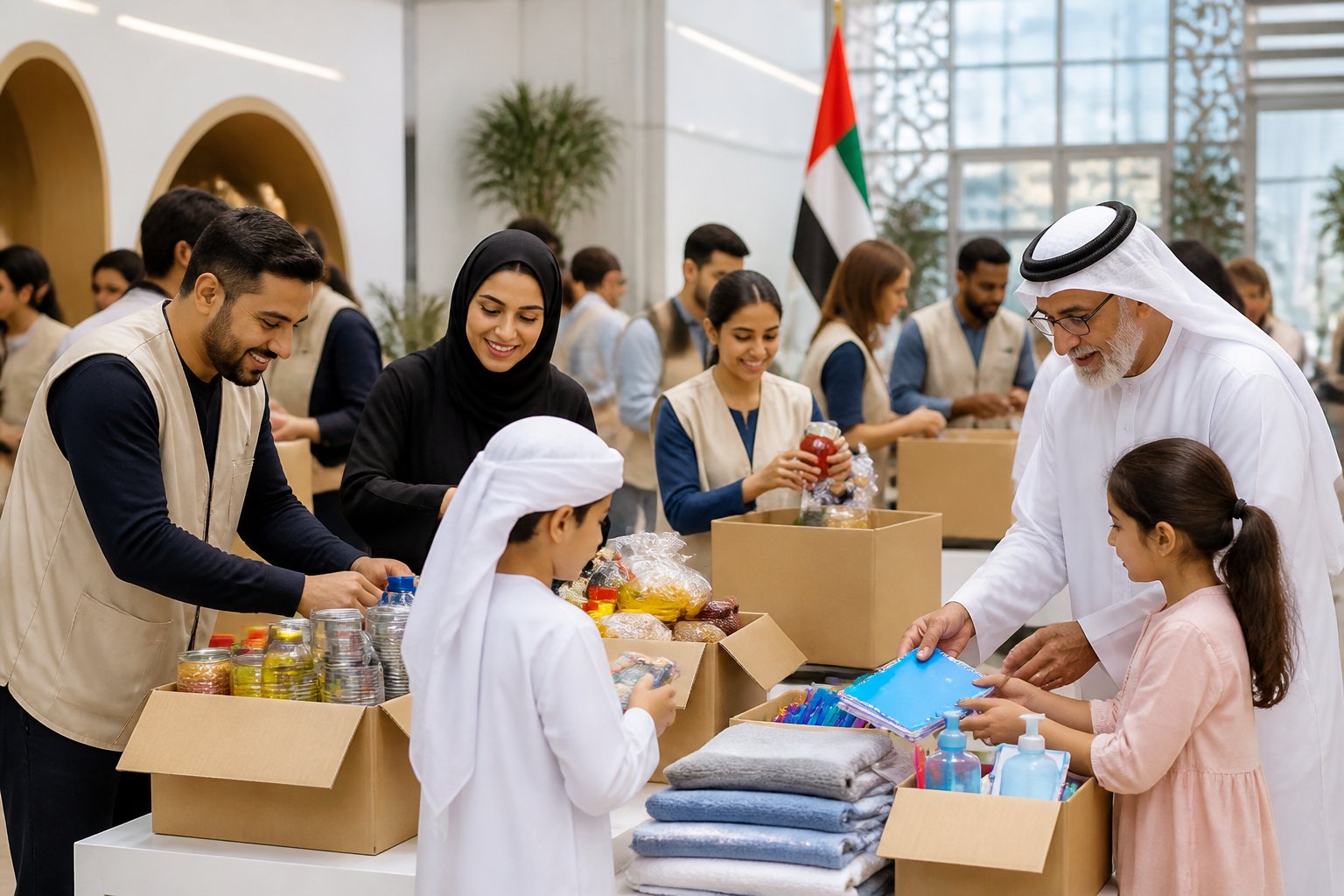
We support communities in the UAE by contributing time, skills, and resources through lawful partnerships with recognized charitable organizations. This approach can help address practical needs while respecting the country’s regulations and social traditions. Explore how the legal and cultural context shapes this work and how responsible partnerships can create meaningful community support.
Legal and Cultural Context in the UAE

We must distinguish private charitable activity from operating an association, collecting donations, or organizing public fundraising. We also need to account for the UAE’s Islamic heritage, social norms, and strict controls on unlicensed groups and foreign-linked funding.
Regulatory Framework for Associations
The UAE regulates associations, foundations, and charitable fundraising through federal and emirate-level authorities. Requirements can differ between Abu Dhabi, Dubai, Sharjah, and the other emirates, so we should confirm the applicable rules before creating an organization or launching an initiative.
A lodge cannot assume that charitable work automatically permits public fundraising. We may need approval to collect donations, transfer funds, advertise campaigns, hold public events, or work with an overseas organization. Authorities may also require registration, financial records, donor information, reporting, and compliance with anti-money-laundering and counter-terrorist-financing measures.
Freemasonry presents an additional legal and administrative sensitivity because it involves private membership and international networks. We should obtain professional local advice, use properly authorized partners, maintain transparent accounts, and avoid representing an informal lodge as a licensed charity. We should also verify whether the relevant emirate permits the proposed structure and activities.
Respecting Local Values and Religious Sensitivities
Philanthropic projects should reflect the UAE’s emphasis on community welfare, dignity, family support, education, healthcare, and humanitarian assistance. We should design programs with local institutions and avoid language or imagery that treats beneficiaries as objects of charity or conflicts with Islamic values.
We must also respect religious practices, including Ramadan, zakat-related expectations, prayer times, and restrictions on public messaging. Fundraising materials should use clear Arabic and English where appropriate, avoid political or sectarian content, and present donations accurately.
Our public communications should describe the project’s measurable purpose rather than promote Freemasonry itself. We should avoid secrecy around the use of funds while protecting members’ and beneficiaries’ personal information. Any partnership with schools, charities, government entities, or international bodies should receive the required approvals before public announcement or implementation.
Community Support Through Charitable Partnerships
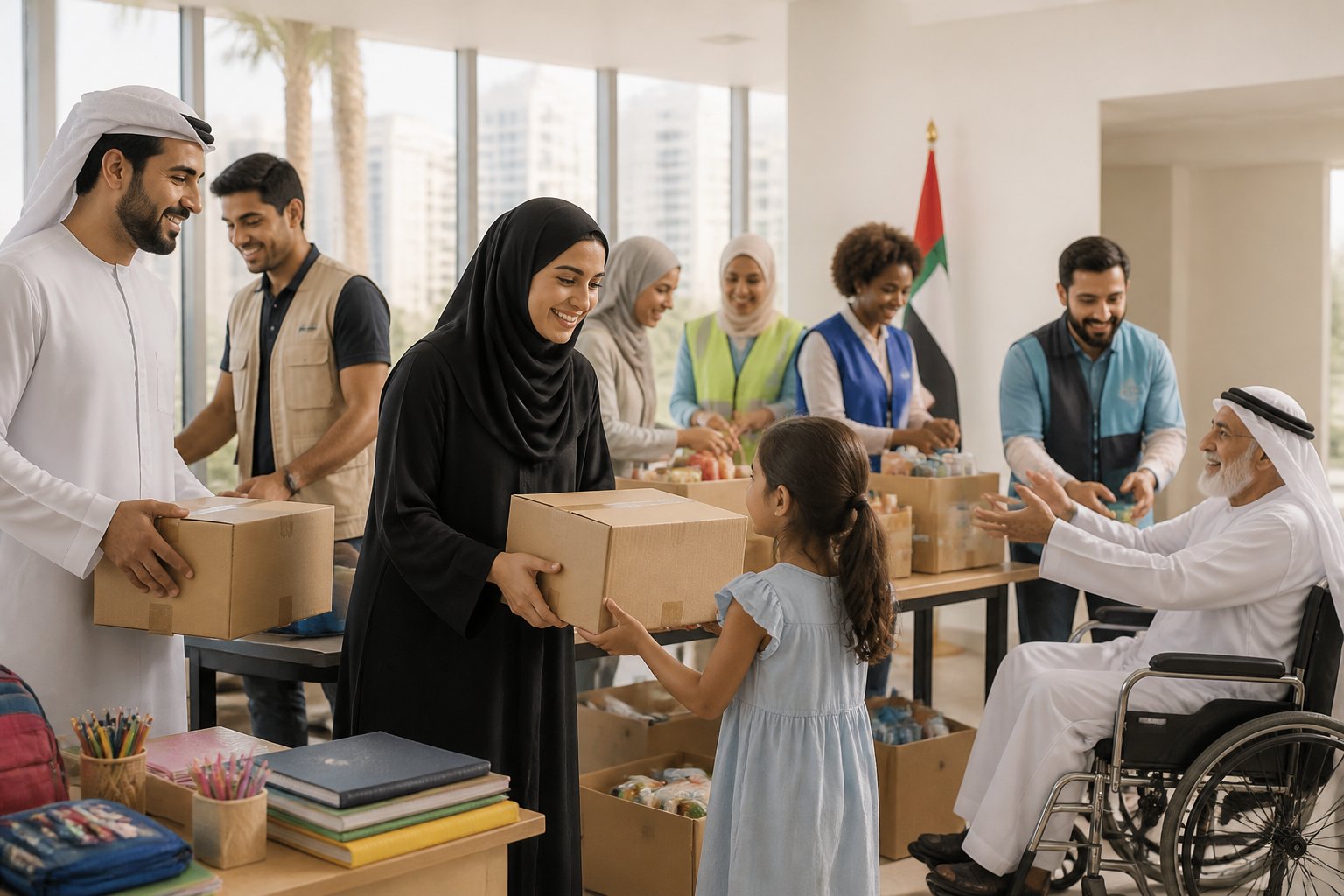
We support communities by working through lawful, locally relevant partnerships rather than operating outside established humanitarian systems. Effective programs connect charitable funding with clear needs in education, healthcare, family support, and social welfare.
Collaborating With Licensed Humanitarian Organizations
In the UAE, we should work with licensed charities, foundations, hospitals, and community organizations that understand local regulations and community needs. These partners can assess beneficiaries, manage referrals, obtain approvals, and deliver services through established channels.
A lodge or Masonic charitable body can contribute funding, volunteers, professional expertise, or in-kind resources. Suitable projects might include food assistance, medical support, disability services, emergency relief, or support for families facing financial hardship. We must confirm each organization’s legal status, safeguarding procedures, and financial controls before committing resources.
Partnership agreements should define responsibilities, funding schedules, reporting requirements, and beneficiary-protection standards. We should also respect UAE rules governing fundraising, donations, public communications, and the use of organizational names.
Education, Health, and Social Welfare Initiatives
Our support can address practical needs through targeted programs. Education partnerships may provide school supplies, scholarships administered through approved institutions, tutoring, vocational training, or access to digital learning tools. Health initiatives may fund treatment, screenings, rehabilitation, speech and language services, or transport for patients who need care.
Social welfare projects can assist elderly people, people with disabilities, low-income families, and children requiring specialized support. We should base each initiative on documented needs and avoid duplicating services already provided by government agencies or established charities.
A clear project plan should identify the beneficiaries, eligibility criteria, expected services, implementation period, and responsible partner. We can strengthen results by combining financial contributions with mentoring, professional services, and volunteer support where regulations and partner policies allow.
Governance, Transparency, and Measurable Impact
Responsible philanthropy requires documented decisions and careful oversight. We should use written due diligence, conflict-of-interest declarations, approved budgets, and records showing how funds move from the donor to the implementing organization.
Partners should provide regular financial and program reports. Useful measures include the number of people served, services delivered, attendance or completion rates, treatment outcomes where appropriate, and beneficiary feedback. Personal data must remain confidential and comply with applicable UAE requirements.
We should review projects at defined intervals and correct problems promptly. Public communications must describe verified activities without exposing beneficiaries or implying government endorsement. Transparent reporting protects donors, partners, and communities while helping us direct future support toward programs that demonstrate clear, lawful, and lasting value.