
Freemasonry in the UAE reflects a wider tradition built around personal conduct, mutual support, and service. As we examine its principles, we can distinguish established Masonic ideals from assumptions about the fraternity and consider how members may apply them within the UAE’s diverse social and cultural setting.
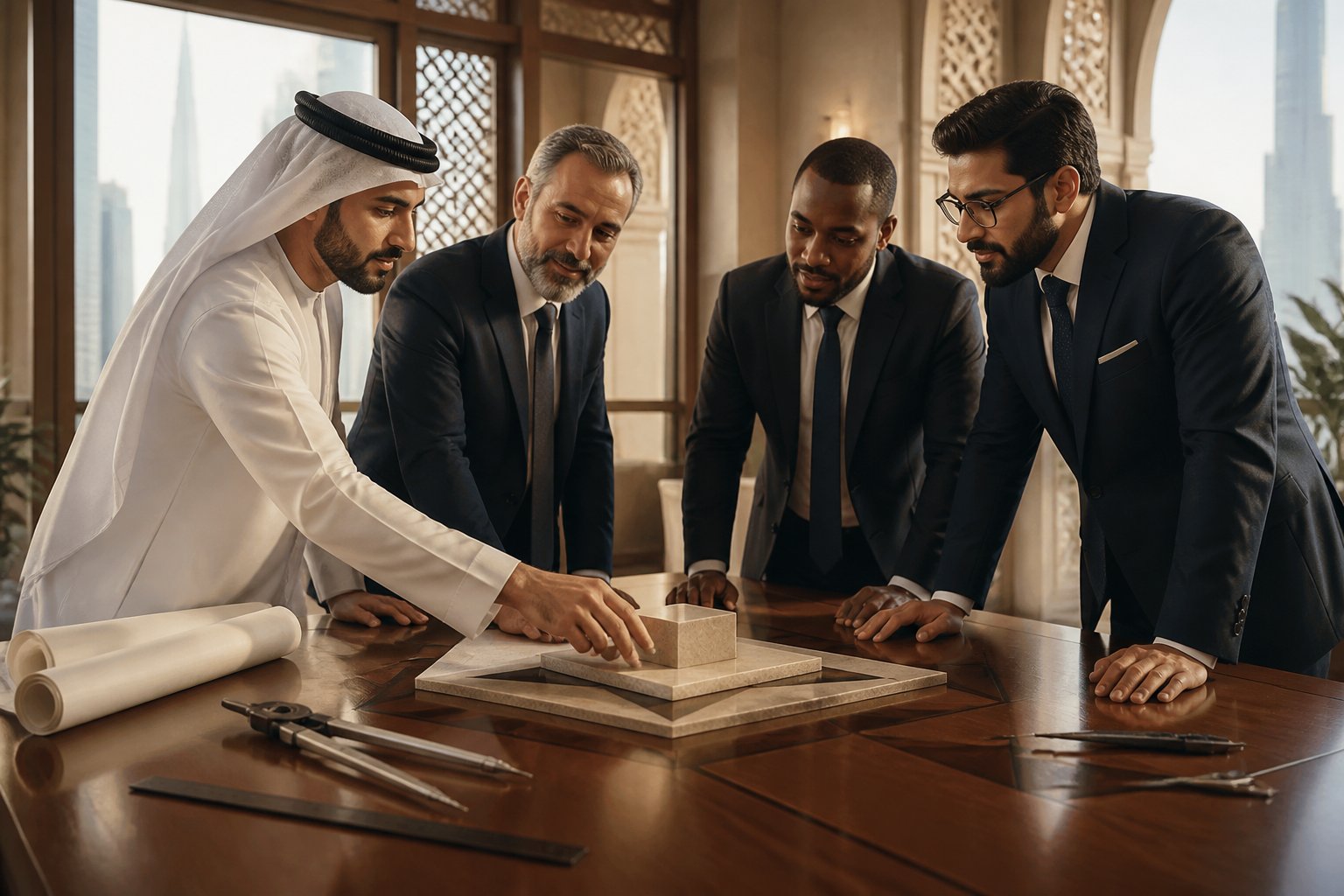
We can understand Freemasonry through three central values: Brotherly Love, Relief, and Truth—expressed through respect, charitable support, ethical conduct, and continued self-improvement. We will explore how these ideals shape Masonic life and how religious tolerance, education, family, and community responsibility fit within that framework.
The UAE context adds important considerations, including cultural diversity, local laws, and the discreet nature of organized Masonic activity. Our discussion will connect these practical realities with the values that guide Freemasons internationally.
Core Masonic Ideals
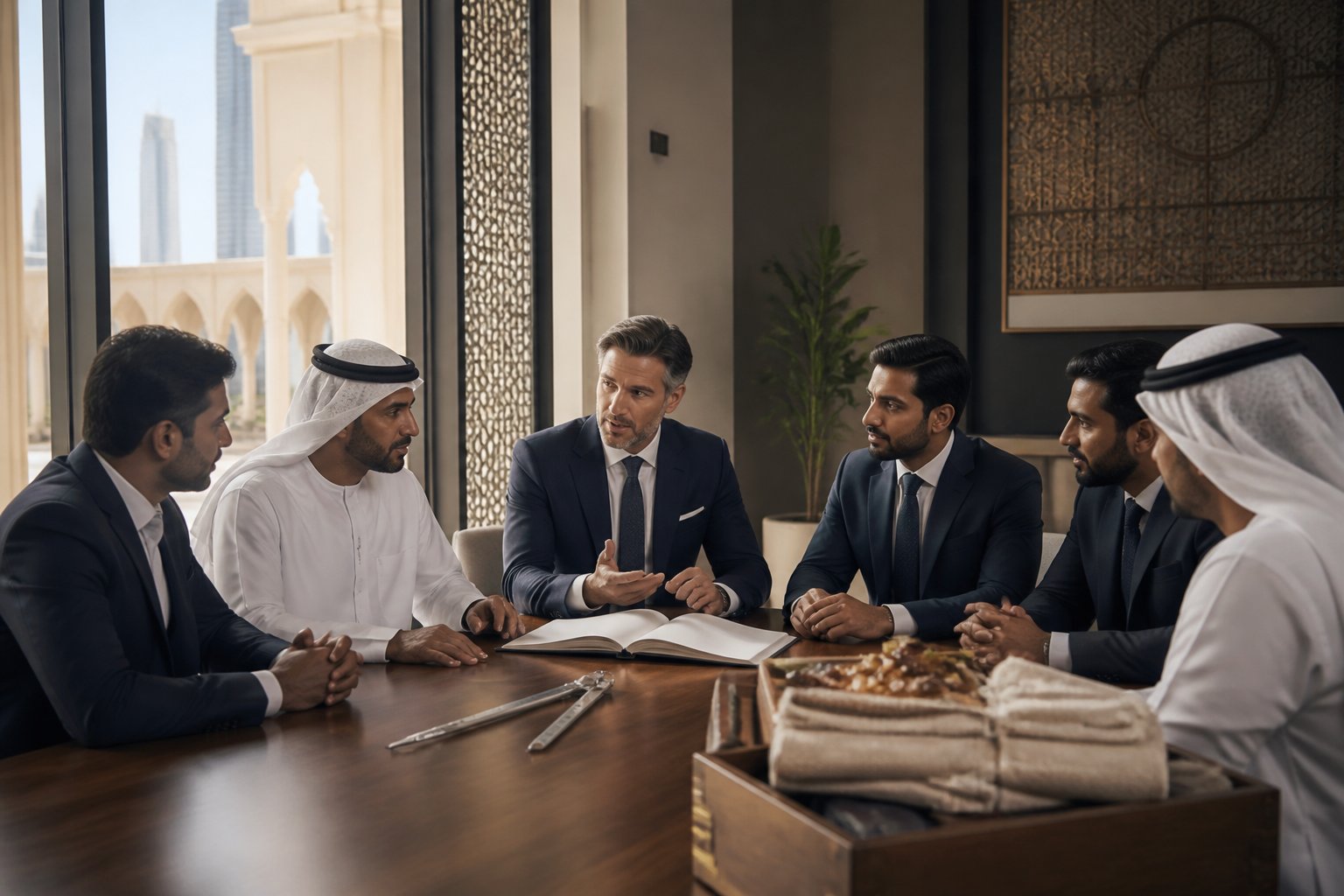
Freemasonry in the UAE places ethical conduct, fellowship, and service at the center of personal development. We apply these ideals through respectful relationships, accountable behavior, and practical support for people and communities.
Brotherhood and Mutual Respect
We treat brotherhood as a commitment to mutual support rather than simple membership. Freemasons build trust by listening carefully, keeping their word, and offering encouragement during personal or professional difficulties.
Mutual respect requires us to recognize differences in nationality, culture, religion, and social background. In the UAE’s diverse society, this principle supports courteous dialogue and peaceful cooperation while allowing each member to maintain his own beliefs.
We also respect the laws, customs, and institutions of the UAE. Lodge relationships should remain inclusive and constructive, with members avoiding discrimination, personal attacks, and the use of lodge connections for improper advantage.
Integrity and Moral Character
We understand integrity as consistent conduct in private, professional, and public life. Our decisions should reflect honesty, fairness, responsibility, and respect for legitimate obligations, even when no external authority monitors our actions.
Freemasonry encourages self-examination and gradual moral improvement. We assess how we use influence, handle confidential matters, treat colleagues, and respond to mistakes. When we fall short, we should acknowledge the error, correct it, and accept appropriate responsibility.
These expectations do not replace UAE law or a member’s religious and family duties. Instead, they reinforce the practical habits that support trustworthy citizenship: keeping promises, rejecting corruption, respecting others’ rights, and acting with sound judgment.
Charity and Service
We express charity through practical assistance, voluntary service, and responsible stewardship of resources. Support may include contributions to recognized causes, help for people facing hardship, educational initiatives, or participation in community projects that comply with UAE regulations.
Charity also includes personal conduct. We give time, attention, and skills when they can address a genuine need, while protecting recipients’ dignity and privacy. Effective assistance should respond to local conditions rather than seek publicity.
Freemasonry links service with relief and compassion, but members must follow applicable laws, licensing requirements, and organizational procedures in the UAE. We should evaluate charitable activities carefully, use funds transparently, and work with reputable institutions when delivering support.
Practice Within the UAE Context
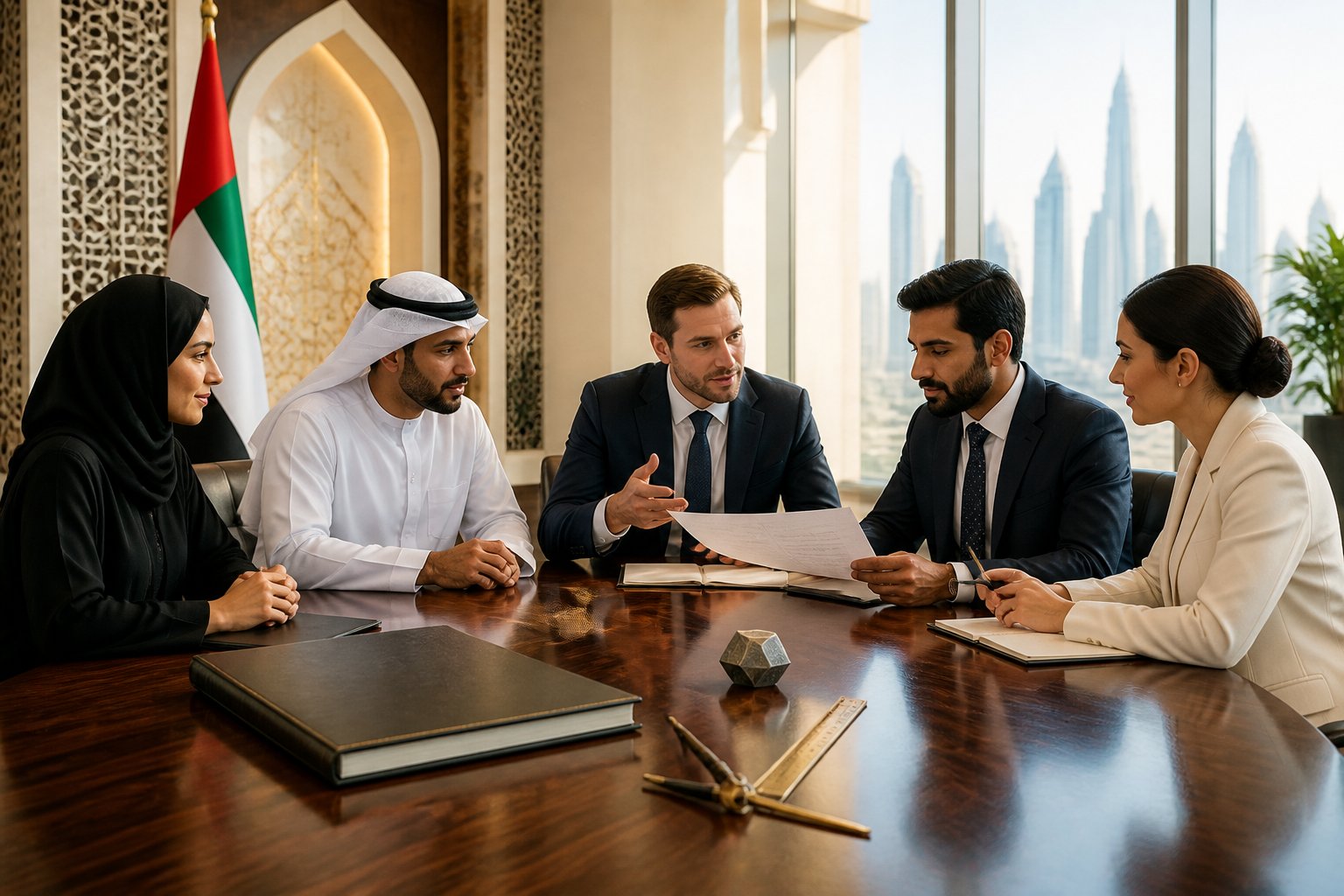
We must distinguish Freemasonry’s ethical principles from its legal status in the United Arab Emirates. Respect for UAE law, religious and cultural norms, privacy, and responsible civic conduct should guide any discussion or private association connected with Masonic values.
Respect for Local Laws and Culture
We should verify the UAE’s current rules before organizing meetings, using Masonic symbols, recruiting members, or presenting an association as a lodge. Publicly available sources provide conflicting claims about Freemasonry in the UAE, so we should rely on official UAE authorities and qualified legal advice rather than informal forums or promotional websites.
We must not assume that practices permitted in another country are permitted in the UAE. We should avoid unauthorized associations, unapproved fundraising, political activity presented as fraternal work, and conduct that could conflict with laws concerning religion, public order, speech, or national security.
Our conduct should also respect the UAE’s religious and cultural environment. We should avoid disparaging religious beliefs, pressuring people to join, or treating foreign Masonic customs as superior to local traditions. Any charitable activity should use authorized channels and comply with applicable licensing and donation rules.
Privacy, Inclusion, and Responsible Conduct
We should protect personal information, membership discussions, and private correspondence. That includes obtaining consent before publishing names or photographs, using secure communication, limiting access to membership records, and following UAE data-protection requirements where applicable.
Privacy must not become a justification for unlawful secrecy. We should maintain clear internal records, identify responsible organizers, and cooperate with lawful requests from competent authorities. We should also explain any risks to participants before they attend meetings or communicate about Masonic activities.
Our standards should reject discrimination, harassment, coercion, and financial exploitation. Participation should remain voluntary, with no pressure to disclose religious views, employment details, or political opinions. When we provide charitable support, we should document donations, avoid undisclosed conflicts of interest, and work through properly authorized organizations.