
Freemasonry in the UAE involves legal, cultural, and practical considerations that differ from those in countries with established public lodge systems. We should verify current local laws and rely on recognized Masonic authorities rather than informal online claims.
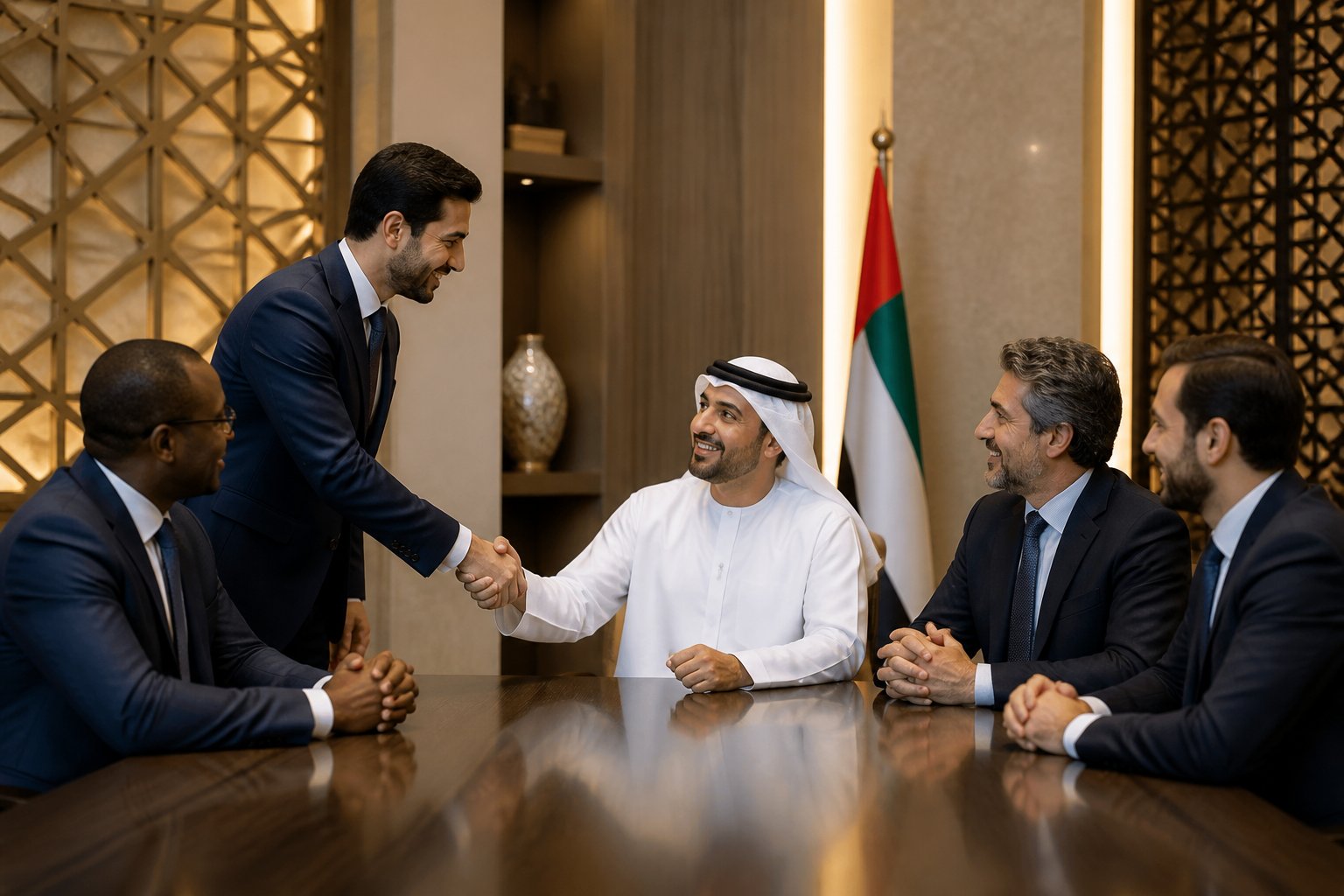
In practice, membership depends on lawful access to a recognized lodge, meeting its jurisdictional requirements, and passing its private admission process. Eligibility may vary for UAE residents, visitors, and personnel connected with foreign military or diplomatic communities.
We will examine common qualifications, ways to express interest safely, the review process, responsibilities after admission, and misconceptions about Freemasonry in the UAE.
Freemasonry in the UAE: Legal and Cultural Context

We should distinguish between verified public information and informal online claims. The UAE’s legal framework and local customs require anyone considering Masonic activity to confirm the current position with official authorities and avoid relying on unverified invitations or private groups.
Status of Masonic Lodges in the UAE
We cannot identify a publicly recognized, regular Masonic lodge operating openly in the UAE from authoritative sources. Search results also contain conflicting claims, including references to groups connected with foreign military bases. Such arrangements, if they exist, may have restricted access and would not establish a general right for residents or visitors to join.
We should not assume that membership in a lodge abroad permits meetings, recruitment, ceremonies, or charitable activity inside the UAE. Activities presented as Masonic gatherings may lack official recognition and could expose participants to legal or employment-related risks. Before attending any meeting, we should verify the organization’s status through UAE authorities and the relevant foreign grand lodge.
Respecting Local Laws and Customs
We must comply with UAE laws governing associations, religious activity, public gatherings, fundraising, and online communications. The legal position can change, and penalties may depend on the specific conduct, location, nationality, visa status, and other circumstances.
We should avoid public promotion, membership recruitment, secret meetings, fundraising, or distribution of Masonic materials without clear legal authorization. We also need to respect the UAE’s Islamic cultural context and avoid statements or activities that could be interpreted as insulting religion, political organizing, or interference in public affairs. For a current legal assessment, we should consult a UAE-qualified lawyer or contact the relevant government authority directly.
Core Membership Qualifications

We generally assess three areas: the applicant’s age, personal belief, and reputation. Because the UAE does not have a broadly recognized public network of regular Masonic lodges, meeting these qualifications does not guarantee that an applicant can legally apply or attend a lodge in the country.
Minimum Age Requirements
We normally require an applicant to meet the minimum age set by the relevant Masonic jurisdiction. Many jurisdictions accept candidates at 18 or 21, while some apply a higher minimum age. The applicable lodge or grand lodge makes the final decision.
Age alone does not create a right to membership. We must also confirm that the applicant can participate lawfully, understand the obligations involved, and satisfy the lodge’s procedures. In the UAE, prospective members should verify the legal position before contacting any group, because publicly advertised or independently operating lodges may not hold recognized status.
A person who belongs to a lodge abroad may face different rules when visiting or seeking affiliation in the UAE. We should rely on the requirements of the recognized governing body, not informal online claims.
Belief in a Supreme Being
Regular Freemasonry commonly requires candidates to affirm a belief in a Supreme Being. We do not usually require a candidate to follow one specific religion, and regular jurisdictions generally do not treat Freemasonry as a substitute for religious practice.
The applicant must answer the lodge’s questions honestly and accept the obligation connected with this requirement. A lodge may also ask whether the candidate can make the required promises or declarations according to his own faith and conscience.
Rules differ among jurisdictions, so we should confirm the exact standard with the relevant grand lodge. In the UAE, religious, legal, and organizational sensitivities make it especially important to seek information only from a legitimate, recognized authority.
Good Character and Reputation
We expect candidates to demonstrate good character, personal responsibility, and a reputation that supports trust within the lodge. The assessment may include conversations with members, references, and an interview or investigation committee. Members may review the petition before the lodge votes on it.
We can consider relevant criminal convictions, serious financial misconduct, dishonesty, violence, or conduct that conflicts with the lodge’s standards. A past mistake does not automatically decide an application; the lodge may examine the circumstances, rehabilitation, and present conduct.
Applicants should provide accurate information and avoid concealing material facts. In the UAE, we should also confirm that any meeting, application, or membership activity complies with local law and does not involve an unauthorized organization.
Eligibility for Residents and Visitors
We must distinguish between eligibility under a recognized Masonic jurisdiction and the legal ability to meet in the UAE. Prospective members should verify UAE law, their lodge’s status, and any requirements imposed by the overseas jurisdiction before making contact or attending an event.
UAE Nationals and Expatriates
We should not assume that residence, nationality, religion, or professional status creates a right to join a lodge in the UAE. Available public information does not establish a generally recognized, openly operating Masonic lodge system in the UAE, and informal groups should not be treated as authorized lodges.
UAE nationals and expatriates who want to pursue membership normally need to contact a recognized grand lodge in a country where they can legally reside or participate. That jurisdiction may require adulthood, belief in a Supreme Being, good character, references, an interview, and approval by a local lodge. Requirements vary, and some jurisdictions impose additional rules concerning religion, gender, or criminal history.
We should obtain legal advice before attending meetings or forming a group in the UAE. A lodge’s private or unofficial operation does not prove that its activities comply with UAE regulations.
Membership Through Overseas Lodges
Residents may be able to apply through a recognized lodge in their home country or another jurisdiction, subject to that lodge’s rules and local law. The application usually begins with an inquiry, followed by discussions with members, a formal application, background checks or references, an interview, and a lodge vote.
We should expect practical limits if we live in the UAE. Candidates may need to travel abroad for initiation and subsequent degrees, which can take months or longer. We should also confirm whether the overseas lodge permits applicants who live outside its territory and whether it requires regular attendance after admission.
Before applying, we should verify the lodge through its grand lodge. We should avoid organizations that promise immediate membership, request unusual payments, or cannot identify a recognized governing body.
Visiting Masons and Formal Recognition
A Mason visiting the UAE should carry current membership evidence, such as a dues card or a formal letter of introduction, and should arrange contact through his recognized grand lodge or lodge secretary. Recognition is jurisdiction-specific; membership in one organization does not automatically grant access to every group using Masonic terminology.
We should not assume that a hotel, private residence, or social gathering represents an authorized lodge meeting. Visitors should confirm whether any proposed meeting has legal approval and whether the host lodge recognizes their jurisdiction. They should also follow UAE rules on associations, gatherings, religious activity, identification, and photography.
A visitor who cannot establish regular membership or formal recognition should not participate in lodge ceremonies or confidential meetings. Lodges may refuse admission even when a visitor is a genuine Mason, particularly when documentation or jurisdictional recognition remains unclear.
How to Express Interest in Membership
We should first verify whether a recognized Masonic organization legally operates in the UAE, then use only official contact channels. We must avoid informal recruitment offers, unverified websites, and meetings that could conflict with UAE law.
Contacting a Recognized Lodge
We should confirm the organization’s legal status and governing authority before sharing personal information. Public search results contain conflicting claims about UAE-based Masonic groups, so we should not assume that an online form or social-media account represents a recognized lodge.
We can contact a legitimate Grand Lodge or lodge through its official website and ask whether it operates in the UAE, accepts applicants who live there, and follows UAE regulations. We should request written information about eligibility, meeting locations, fees, and the application process.
We should not attempt to establish a lodge, attend a private meeting, or recruit members without confirming the legal position. If no recognized lodge operates locally, we may need to pursue membership only through a lawful lodge in another jurisdiction.
Meeting Existing Members
A legitimate lodge may arrange an introductory conversation with one or more members. We should use this meeting to discuss the organization’s principles, expectations, charitable activities, time commitments, costs, and jurisdictional rules.
We should meet members through an official introduction rather than through anonymous online contacts. Members should not pressure us to pay immediately, conceal the organization’s identity, provide false information, or bypass local laws.
We can prepare questions about the lodge’s recognition, membership requirements, meeting procedures, and privacy practices. We should also verify that any proposed meeting location and activity comply with UAE requirements before attending.
Submitting a Membership Petition
If the lodge confirms that we may apply lawfully, it may provide a formal membership petition. The petition commonly requests our identity details, contact information, occupation, background, references, and confirmation that we meet the organization’s stated requirements.
We should complete the form accurately and disclose any information it specifically requests. A lodge may interview us and contact references before members vote on the application; acceptance therefore depends on the lodge’s rules rather than on an online registration alone.
We should obtain a copy of the privacy policy, fee schedule, and withdrawal process before submitting documents or payment. We should send sensitive identification records only through verified, secure channels and keep copies of every form and correspondence.
Membership Review and Admission Process
Applicants should expect a relationship-based review rather than automatic acceptance. In the UAE, we must also account for the lodge’s governing jurisdiction, local legal requirements, and the practical limits affecting Masonic activity in the country.
Interviews and Background Considerations
We usually begin by contacting a recognized lodge or the relevant grand lodge, rather than relying on informal groups that may not hold lodge status. Members may invite us to social gatherings or introductory meetings so both sides can assess expectations, conduct, and compatibility.
The lodge may ask about our age, residence, employment, family circumstances, personal reputation, and reasons for applying. Requirements differ by jurisdiction. Many traditional jurisdictions expect adult men who affirm a belief in a Supreme Being, while some jurisdictions operate women’s or mixed-gender Freemasonry under separate rules.
We should provide accurate information and disclose relevant facts when asked. The lodge may seek references or make discreet character inquiries. A criminal record, dishonesty during the review, or conduct that conflicts with the lodge’s standards can affect the decision, but no single rule applies across every jurisdiction.
Lodge Balloting Procedures
After interviews and inquiries, eligible members typically submit our application to the lodge for a formal ballot. The exact method varies, but many lodges use a confidential vote by members entitled to participate. The lodge’s constitution determines the required threshold and whether a small number of negative votes can prevent acceptance.
A favorable ballot does not override UAE law or the authority of the lodge’s grand lodge. We should verify that the lodge is recognized and authorized to operate or meet in the relevant location. A discussion group, online community, or informal gathering may not have authority to initiate members or confer recognized degrees.
If the ballot fails, the lodge may impose a waiting period before we can apply again. Members generally do not disclose individual votes, and we should avoid pressuring them to explain a confidential decision.
Initiation and Early Participation
Following approval, we receive instructions about the initiation schedule, required documents, fees, dress, and appropriate conduct. We may need to complete additional checks or obtain approval from the governing jurisdiction before the ceremony. The lodge should explain these requirements clearly before requesting payment.
Initiation marks the beginning of membership, not its completion. We then progress through the traditional three degrees—Entered Apprentice, Fellow Craft, and Master Mason—according to the lodge’s rules and timetable. We should expect attendance at meetings, study of Masonic principles, and participation in charitable or social activities.
We must respect confidentiality, avoid recording ceremonies, and follow UAE laws and the lodge’s internal rules. Because recognized Masonic opportunities in the UAE may be limited, we should confirm the lodge’s status, meeting arrangements, and transfer options before making commitments.