Celebrity appearances add visibility and cultural interest to UAE events, from major conventions to private gatherings. As we explore this event culture, we can separate confirmed public appearances from speculation about private affiliations.
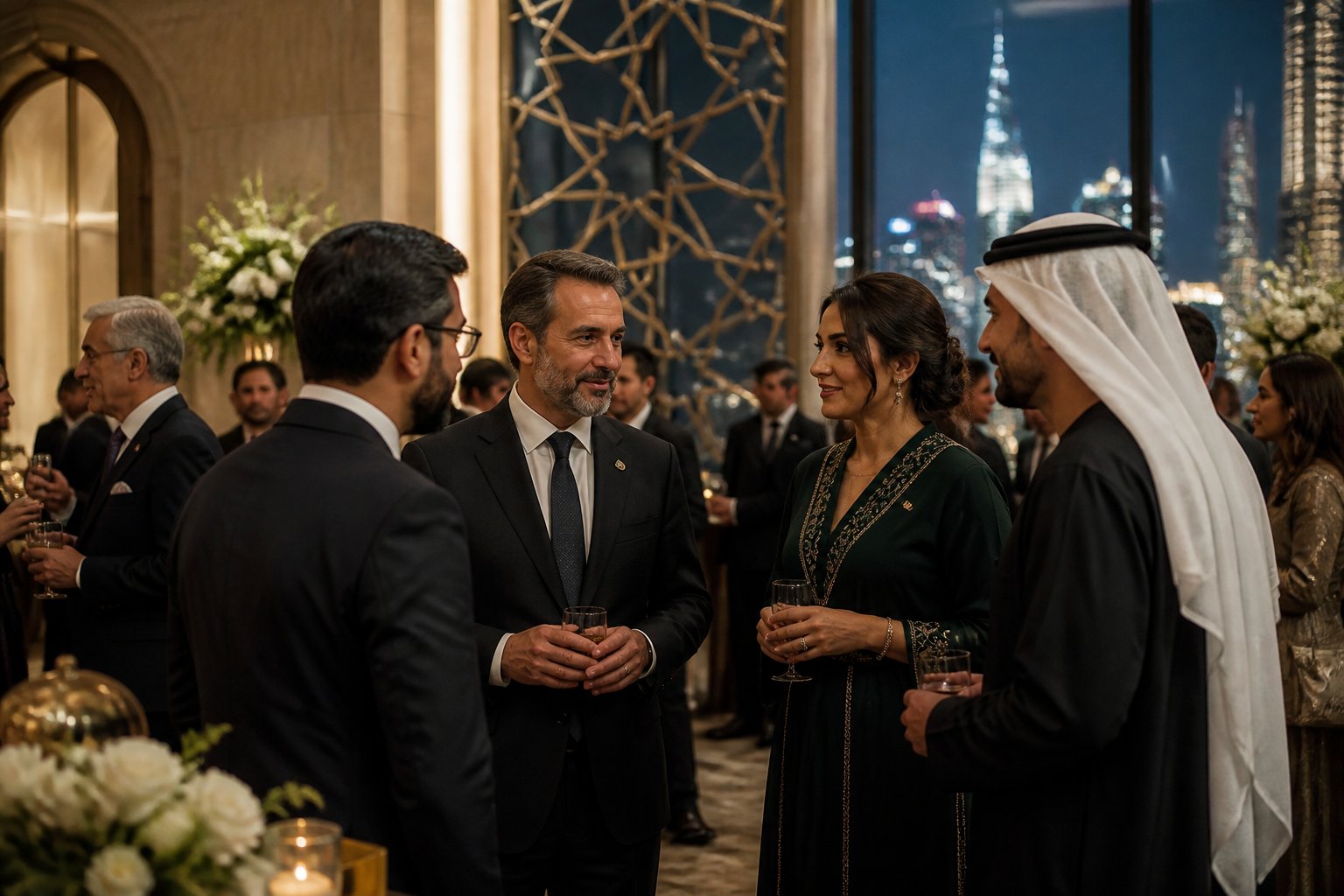
No reliable evidence links celebrity guests at UAE events to Freemasonry unless the individuals or authoritative Masonic records confirm that connection. We will examine how these claims arise, what sources can verify them, and why event attendance alone does not establish membership.
UAE Event Culture and Celebrity Appearances
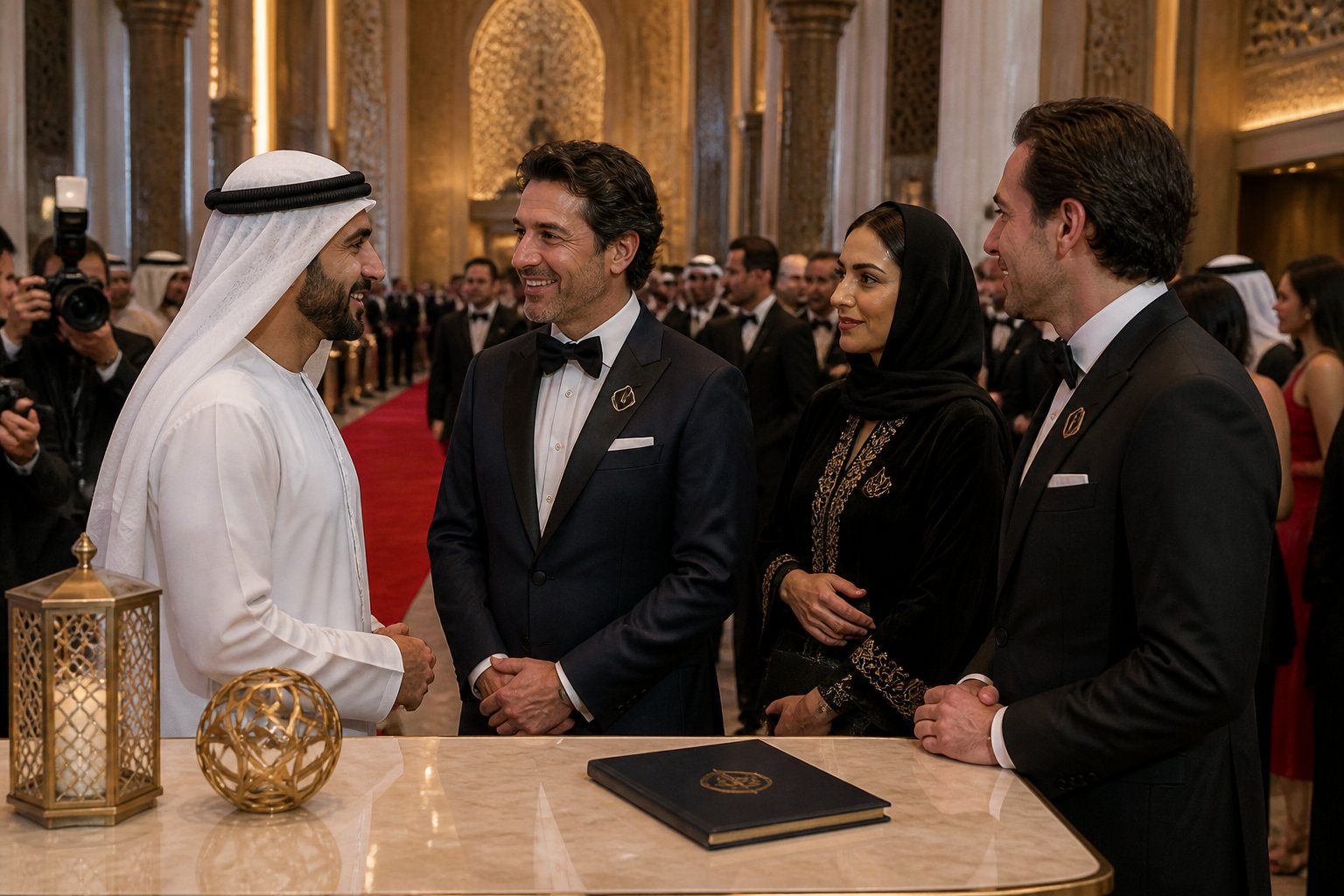
We see UAE events combining entertainment, luxury hospitality, business networking, and charitable activity. Celebrity participation can increase media attention, while organizers, sponsors, and invited guests shape the event’s purpose, audience, and public image.
Major Entertainment and Philanthropic Events
The UAE hosts film festivals, fashion launches, music performances, art fairs, sports occasions, and luxury resort gatherings. Events such as Art Dubai attract collectors, artists, influencers, and public figures, while major entertainment programs often bring international performers and actors to Dubai and Abu Dhabi.
Celebrity appearances serve several practical functions. A recognizable guest can draw press coverage, support a product launch, or help an organizer reach new audiences through social media. Bollywood figures, global musicians, athletes, and television personalities also contribute to the UAE’s cultural visibility among regional and international visitors.
Philanthropic events use celebrity involvement differently. Public figures may attend fundraising dinners, awareness campaigns, charity auctions, or community initiatives. Their presence can encourage donations and media coverage, but organizers must clearly identify the beneficiary, funding purpose, and official role of each guest.
Roles of Hosts, Sponsors, and Invited Guests
Hosts manage the venue, guest list, program, and standards of conduct. They may include hotels, cultural institutions, government-linked organizations, private foundations, or event companies. Their responsibilities include obtaining approvals, protecting guest privacy, and separating confirmed participation from speculation.
Sponsors provide funding, products, services, or promotional support. In return, they may receive branding opportunities, media exposure, client access, or carefully managed interactions with public figures. Sponsors typically align celebrity appearances with a campaign, product launch, corporate reception, or social initiative.
Invited guests may attend as performers, speakers, ambassadors, donors, industry professionals, or private patrons. A celebrity’s attendance does not establish a business, political, religious, or fraternal affiliation. We should rely on official announcements and documented event records before linking any guest to an organization, including Freemasonry.
Assessing Claims of Freemasonry Connections
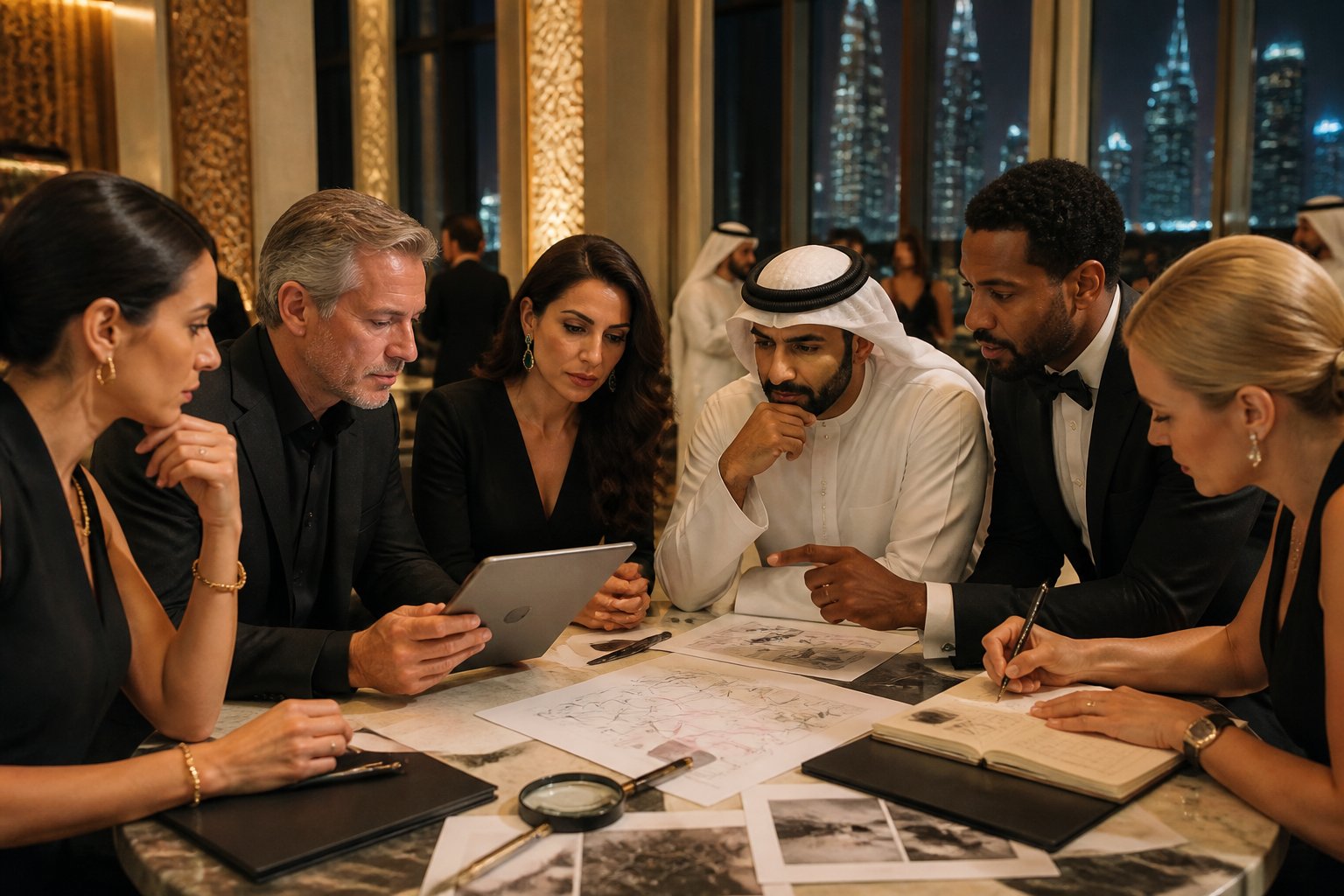
We should distinguish documented membership from rumor, symbolism, or attendance at the same event. Reliable assessment requires credible records, clear sourcing, and respect for personal privacy and UAE cultural and legal contexts.
Freemasonry’s Public History and Membership Privacy
Freemasonry has a documented public history, including lodge records, membership registers, meeting minutes, obituaries, and biographies. Institutions such as the Museum of Freemasonry and specialist archives preserve some historical records, while selected registers have become available through commercial genealogy databases.
Membership remains private in many jurisdictions. A celebrity’s appearance at a UAE reception, meeting with a lodge-affiliated person, or use of architectural symbols does not establish membership. Public claims also vary by country because lodges operate under different legal structures and disclosure practices.
We should separate confirmed membership from statements that merely describe an alleged connection. A reliable account should identify the person, lodge, jurisdiction, relevant dates, and the original documentary source rather than repeating an unsourced list.
Evidence Standards for Celebrity Association Claims
The strongest evidence usually comes from a lodge or grand lodge record, an authenticated archival document, or a direct statement from the individual. Contemporary reporting from reputable news organizations can provide useful corroboration when it cites identifiable records or named officials.
We should treat anonymous websites, recycled celebrity lists, numerology, social-media posts, and vague references to “insiders” as unverified. Search-result snippets may point toward useful material, but they do not prove a claim without access to the underlying source.
A practical assessment can use three categories:
- Confirmed: supported by primary records or a clear public admission.
- Plausible but unverified: repeated by credible sources without conclusive documentation.
- Unsupported: based on symbolism, association, or anonymous speculation.
We should state the evidence level precisely and avoid presenting uncertain claims as facts.
Respecting Privacy, Reputation, and Local Context
We should not infer private affiliations from a guest list, ceremonial clothing, hand gestures, venue design, or attendance at an event involving business, diplomacy, or entertainment. Such interpretations can misidentify people and unfairly affect their reputations.
UAE events may include international guests with different cultural, religious, and legal backgrounds. We should describe confirmed professional roles and public appearances without suggesting that attendance signals a secret organization or political relationship.
When a claim lacks evidence, we should say that reliable public documentation was not found. We should also use neutral wording, attribute statements to identifiable sources, distinguish historical membership from current affiliation, and avoid publishing private records or personal details that do not directly establish the claim.