
Freemasonry and charity share a longstanding focus on service, relief, and community support. In the UAE, charitable work must also align with local laws, licensing requirements, and approved partnerships, making careful planning essential.

In the UAE, Masonic community service depends on lawful collaboration with licensed charities and organizations that address local needs. We will examine Freemasonry’s context in the UAE, the legal considerations that shape charitable activity, and the community priorities that guide responsible partnerships.
Freemasonry in the UAE: Context and Legal Considerations
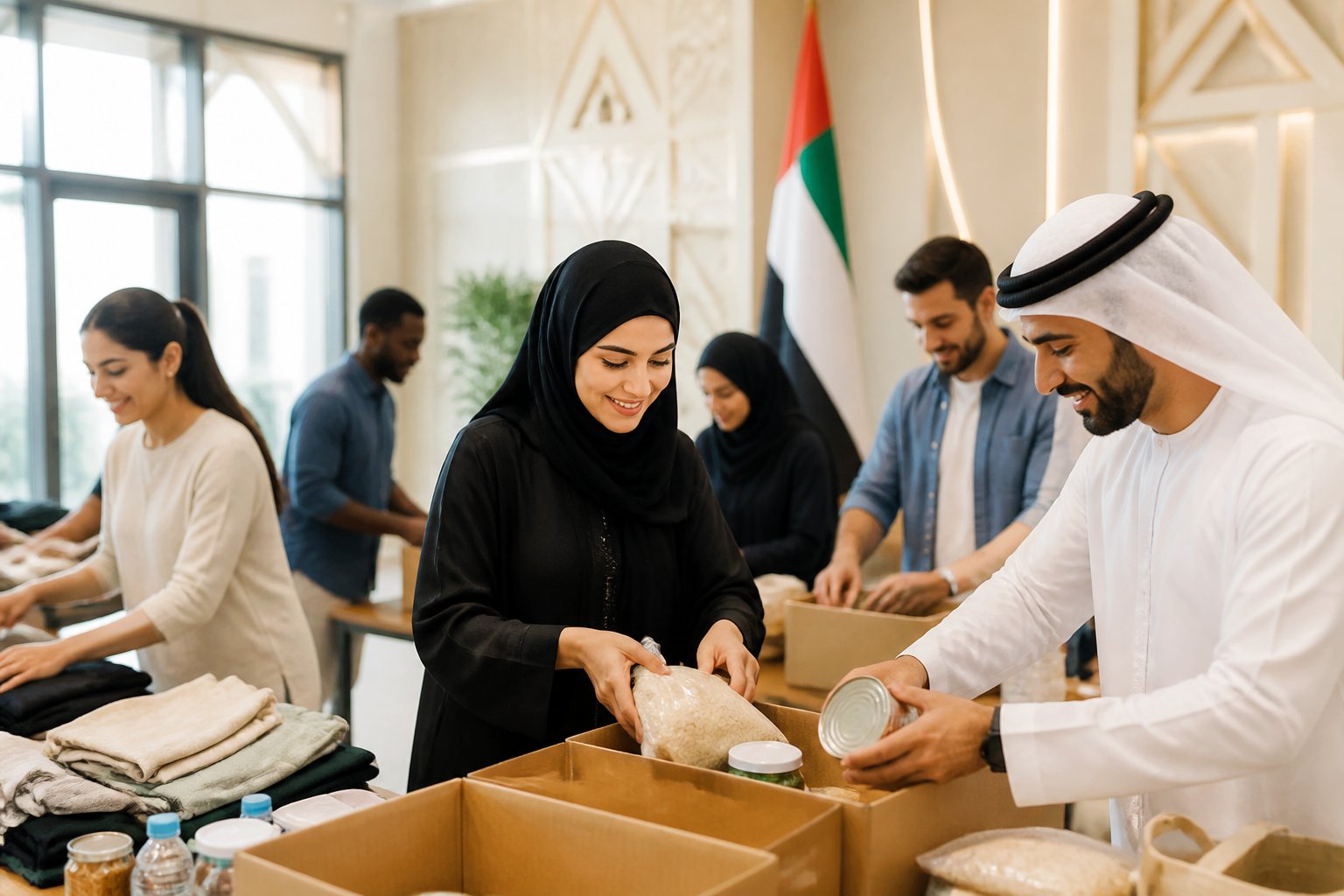
We must distinguish historical references to Freemasonry in the region from verified, legally recognized lodge activity in the UAE. Any charitable work connected to Masonic identity must also comply with UAE rules on associations, fundraising, public order, and religious or political activity.
Organizational Presence and Cultural Sensitivity
Reliable public evidence of officially recognized Masonic lodges operating in the UAE remains limited. Online claims differ significantly: some describe historical or informal connections, while others warn that Freemasonry faces severe legal restrictions. We should therefore avoid presenting lodge networks, membership figures, or local initiatives as established facts without confirmation from UAE authorities.
We must also consider the UAE’s cultural and social context. Public promotion of secretive organizations, political affiliations, or symbols associated with foreign fraternal groups could attract scrutiny. Any community-service project should use a transparent, legally approved structure and avoid implying official Masonic sponsorship unless the relevant entity has authorization.
Relevant Regulations for Charitable Activities
Charitable fundraising in the UAE generally requires approval from the competent authority, with requirements varying by emirate. We should not collect donations, advertise campaigns, open dedicated accounts, or distribute aid through an informal group without confirming the applicable license and permit requirements.
Organizations must maintain accurate records of donors, beneficiaries, payments, and partner institutions. They should also follow rules concerning anti-money laundering, financial transfers, data protection, and the use of religious or political messaging. Working through a licensed charity, hospital, school, or community organization can provide clearer oversight, but written authorization remains essential.
Before beginning a project, we should verify the organization’s legal status with the relevant emirate authority and obtain professional legal advice where necessary. This approach reduces the risk of unauthorized fundraising, unlicensed association activity, or conduct that authorities may interpret as contrary to public order.
Community Service Priorities and Charitable Partnerships
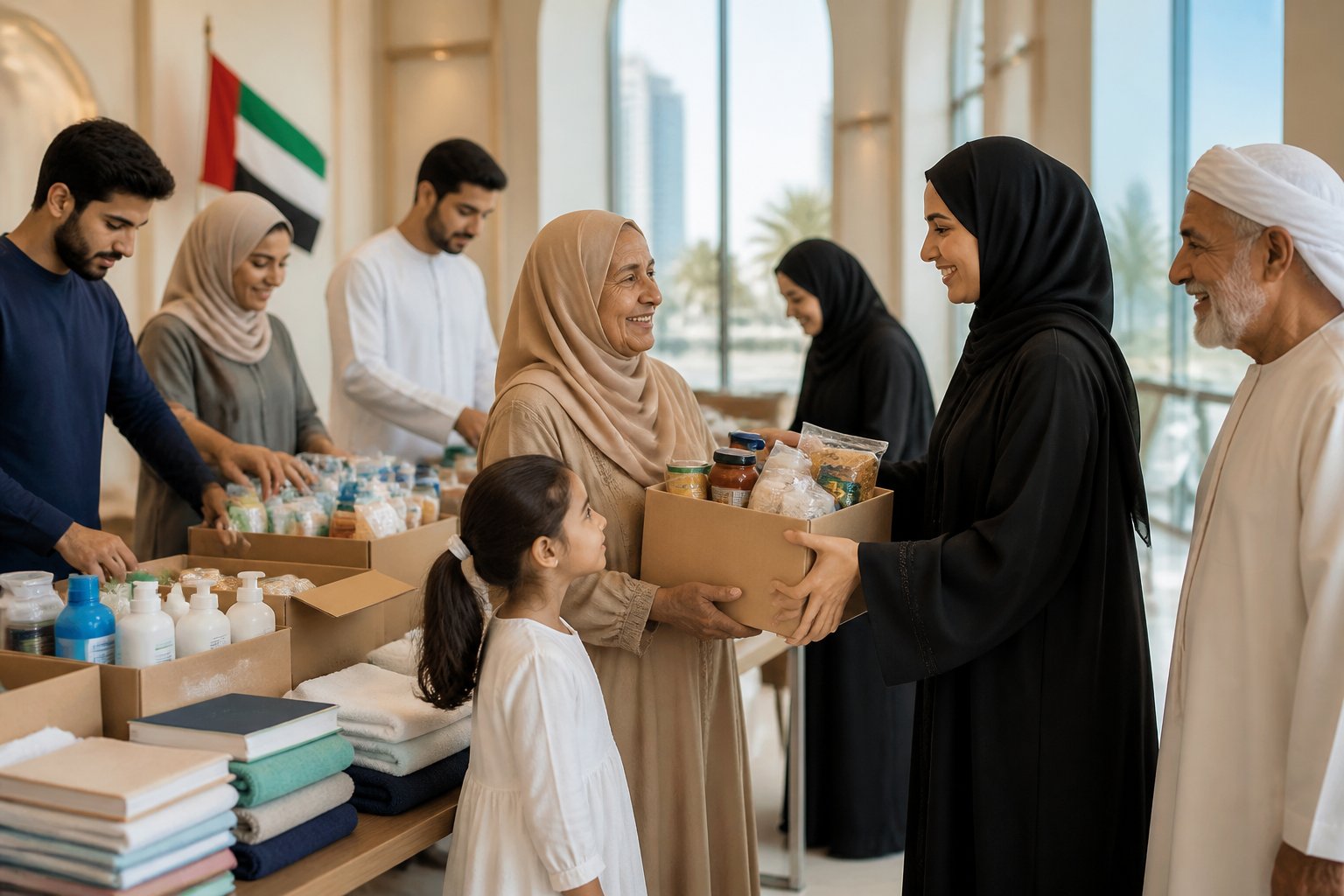
We focus our charitable work on practical needs, including emergency assistance, education, healthcare, youth development, and support for vulnerable households. In the UAE, effective service also requires compliance with local regulations and cooperation with authorized organizations.
Humanitarian Relief and Social Welfare
We can direct support toward families facing financial hardship, food insecurity, housing problems, disability-related expenses, or emergencies. Appropriate assistance may include donations, essential goods, volunteer time, and referrals to established welfare providers.
Our priorities should reflect documented community needs rather than assumptions. Before funding a project, we can assess its objectives, beneficiary criteria, delivery methods, and safeguarding procedures. Clear records help us show how donations were used and reduce duplication with other aid programs.
Community service can also include seasonal relief, such as food distribution during Ramadan, as well as support after floods, fires, or other emergencies. We should coordinate these efforts with recognized authorities and nonprofit partners so that aid reaches eligible recipients safely and efficiently.
Education, Health, and Youth Support
Education initiatives may include scholarships, school supplies, tutoring, vocational training, and support for students from low-income households. We should define eligibility rules, protect personal information, and assess whether assistance improves access, attendance, or completion.
Health-related giving can support medical treatment, mobility equipment, preventive care, mental-health services, or community health programs. We should fund activities that use qualified professionals and follow appropriate clinical and safeguarding standards.
Youth programs can combine mentoring, career guidance, leadership development, and volunteering. Partnerships with schools, universities, youth organizations, and established charities can provide structured supervision. We should measure participation and outcomes while avoiding programs that imply guaranteed employment, financial benefit, or privileged access.
Working With Licensed UAE Charities
We should conduct charitable activities through licensed UAE charities, approved fundraising channels, or other legally authorized entities. The UAE regulates charitable institutions and humanitarian contributions, so informal collection or overseas transfers may require specific approval or may not be permitted.
Before forming a partnership, we can verify the organization’s license, governance arrangements, financial controls, project permissions, and reporting practices. A written agreement should identify responsibilities, budgets, deadlines, beneficiary protections, and procedures for handling unused funds.
We should also confirm whether public fundraising, donation collection, volunteer activity, photography, or brand use requires additional permission. Regular reports, receipts, and outcome measures help our lodge maintain accountability. This approach allows us to contribute skills and resources while respecting UAE law and the operating expertise of authorized charitable organizations.